So, you’re looking into flooring for a place that sees a lot of action, maybe a factory, a warehouse, or even a busy auto shop. Standard concrete just doesn’t cut it anymore, right? It chips, it stains, and before you know it, you’re spending a fortune on repairs. That’s where industrial epoxy flooring solutions come in. Think of it as giving your floors a serious upgrade – something tough that can handle all the heavy lifting, spills, and general wear and tear without falling apart. We’re talking about floors that actually last and keep things running smoothly.
Key Takeaways
- Industrial epoxy flooring can handle really heavy stuff, like forklifts, without breaking.
- These floors don’t get messed up by oils, chemicals, or harsh cleaners.
- They’re made to last a long time, often 15 years or more, with just basic upkeep.
- Epoxy floors are less slippery, which helps prevent accidents on the job.
- Proper prep work and using the right kind of epoxy system are super important for a good, long-lasting floor.
Superior Durability and Strength of Industrial Epoxy Flooring Solutions
Exceptional Load-Bearing Capacity
When you’ve got heavy equipment rolling around, the last thing you want is a floor that buckles. Industrial epoxy flooring is built tough. It can handle serious weight, like forklifts and pallet jacks loaded up, without showing dents or cracks. We’re talking about floors that can support loads up to 10,000 psi. This means your operations can keep moving without worrying about floor damage. It’s a big deal for places like warehouses and manufacturing plants where constant movement of heavy items is just part of the day.
Impact Resistance for Heavy Machinery
Accidents happen, right? Tools get dropped, parts fall off machines. Standard concrete floors can chip and crack easily from these kinds of impacts. Epoxy floors, though, are different. They have a bit of give, a flexibility that lets them absorb the shock from falling objects. This stops those nasty chips and cracks from forming. Think about a busy auto repair shop or a factory floor – things get dropped all the time. Epoxy flooring holds up way better than plain concrete, saving you from constant repairs and keeping your workspace looking good.
Abrasion Resistance Against Daily Wear
Everyday use wears down floors. Think about the constant scuffing from forklifts, the endless foot traffic, the dragging of materials. Over time, this can really damage a floor. Epoxy coatings create a surface that’s really hard to wear down. It’s like putting a protective shield over your concrete. This means your floor stays smooth and functional for much longer, even in high-traffic areas. It’s a simple way to keep your facility looking professional and avoid the costs associated with floors that wear out too quickly.
The strength of industrial epoxy comes from a chemical reaction during installation. This process bonds the epoxy to the concrete, creating a surface that’s not just tough but also resistant to the daily grind of industrial activity. It’s a smart investment for any business that relies on its floors to perform day in and day out.
Unmatched Chemical and Environmental Resistance
Protection Against Oils, Solvents, and Acids
Industrial settings often deal with a variety of harsh substances, and your flooring needs to stand up to them. Epoxy flooring systems are formulated to create a tough barrier that resists damage from common industrial chemicals like oils, solvents, and acids. This means spills that might otherwise eat away at concrete or other materials are much less likely to cause problems. This resistance is key to preventing floor degradation and maintaining a safe working environment. It’s not just about preventing immediate damage; it’s about long-term protection against the cumulative effects of everyday chemical exposure. Choosing the right epoxy formulation can give you peace of mind knowing your floors can handle the tough stuff.
Non-Porous Surface for Easy Cleaning
One of the big advantages of epoxy flooring is its non-porous nature. Unlike bare concrete, which has tiny holes and cracks where liquids can seep in and bacteria can hide, a properly installed epoxy floor creates a smooth, sealed surface. This makes cleaning up spills, whether they’re water, oil, or chemicals, much simpler. You can just wipe them away without worrying about them soaking into the floor. This also contributes to a more hygienic workspace, which is especially important in industries like food processing or healthcare. Keeping your floors clean is easier and takes less time, which is always a win.
Resistance to Extreme Temperatures and Moisture
Many industrial environments experience fluctuating temperatures or high humidity. Epoxy flooring can handle these conditions well. Some formulations are designed to resist thermal shock, meaning they won’t crack or break when subjected to rapid temperature changes, like those from hot water washdowns followed by cooling. They also provide a good barrier against moisture, preventing water from seeping into the concrete slab below. This is important for preventing issues like mold growth or damage to the concrete itself. For facilities dealing with frequent washdowns or significant temperature swings, selecting an epoxy system with these properties is a smart move. You can find systems that hold up to the unique challenges and chemical risks of your project at Sherwin-Williams flooring solutions.
The right epoxy system can significantly reduce the risk of floor damage from chemical spills and environmental factors. This protection not only extends the life of your flooring but also contributes to a safer and more productive workplace by minimizing downtime for repairs and cleaning.
Enhancing Safety with Industrial Epoxy Flooring
Anti-Slip Properties for Improved Traction
Keeping everyone safe on their feet is a big deal in any industrial setting. That’s why we often add special grit or aggregate materials right into the epoxy mix. This gives the floor a textured surface that really helps prevent slips and falls, especially in areas where liquids or oils might be present. Think about it – a forklift operator or someone walking through a busy production line needs to feel secure with every step. We can tailor the level of ‘grip’ to match the specific needs of your workspace, making it a much safer place to work.
Clear Safety Line Markings and Demarcations
Beyond just being a solid surface, epoxy flooring is fantastic for organization and safety through clear markings. We can easily embed different colors or create distinct lines to mark out pedestrian walkways, forklift traffic lanes, hazardous zones, or even specific work areas. This visual guidance helps prevent accidents by clearly showing where people should and shouldn’t go, and where equipment needs to operate. It makes the whole operation run smoother and reduces the chances of collisions or people wandering into dangerous spots.
Seamless Surface for a Hygienic Workspace
One of the really great things about epoxy floors is that they create a completely smooth, non-porous surface. There are no cracks or grout lines where dirt, dust, or bacteria can hide. This makes cleaning up spills incredibly easy – just a quick wipe and it’s done. For places like food processing plants or medical facilities, this lack of crevices is a huge plus for maintaining a sanitary environment. It really cuts down on the effort needed to keep the place clean and healthy for everyone involved.
Longevity and Cost-Effectiveness of Epoxy Solutions
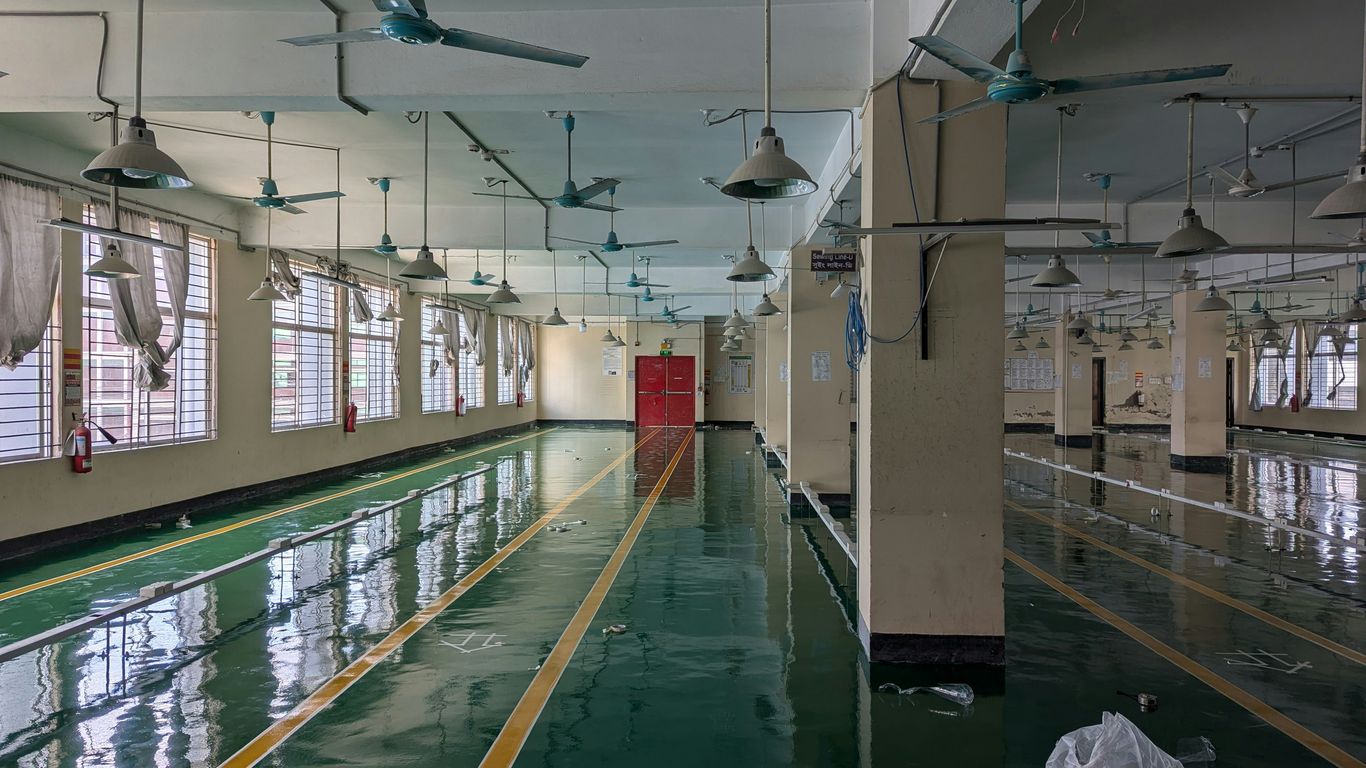
When you’re looking at flooring for a busy industrial space, you really want something that’s going to last without costing a fortune to keep looking good. That’s where epoxy flooring really shines. These systems are built to endure, offering a long-term value that’s hard to beat. Think about it: you invest once, and then you’re good for years, maybe even decades, with just basic upkeep. It’s not just about how tough it is, but how that toughness translates into savings over time.
Extended Floor Lifespan with Minimal Maintenance
One of the biggest wins with industrial epoxy is how long it stays in good shape. We’re talking floors that can easily last 15 to 20 years, sometimes even longer, especially if you’re doing the simple maintenance. This isn’t like other floors that start looking worn out after a few years of heavy use. Epoxy creates a really solid, protective layer over your concrete. It resists all sorts of damage, from dropped tools to constant foot traffic and machinery. Plus, because it’s non-porous, spills just sit on top, making cleanup a breeze. A quick sweep daily and a mop with a mild cleaner monthly is usually all it takes to keep it looking great. This low-maintenance aspect means less downtime and fewer labor costs associated with floor care.
Cost Savings Through Reduced Repairs
Because epoxy is so durable, you’ll find yourself spending a lot less on repairs compared to other flooring types. Cracks, chips, and surface damage are much less common. If something does happen, like a spill of a harsh chemical, you can often neutralize and clean it up quickly to prevent any lasting damage. This proactive approach, along with the inherent strength of the epoxy, means you avoid those costly, time-consuming repairs that can shut down operations. It’s a smart investment that pays for itself by keeping your floors in top condition without constant intervention. You can find out more about the benefits of these durable coatings at industrial epoxy flooring solutions.
Proven Performance in High-Traffic Areas
We’ve seen epoxy floors hold up incredibly well in places where you’d expect a floor to get absolutely hammered. Think about manufacturing plants, busy warehouses, or busy auto repair shops. These are areas with constant movement, heavy equipment, and potential for spills. Epoxy flooring systems are designed to handle this kind of stress. They can support heavy loads, resist impacts, and stand up to daily wear and tear without breaking down. This proven track record in demanding environments is why so many businesses choose epoxy. It’s a reliable choice that consistently performs, giving you peace of mind that your floor can handle whatever your business throws at it.
Applications of Industrial Epoxy Flooring Solutions
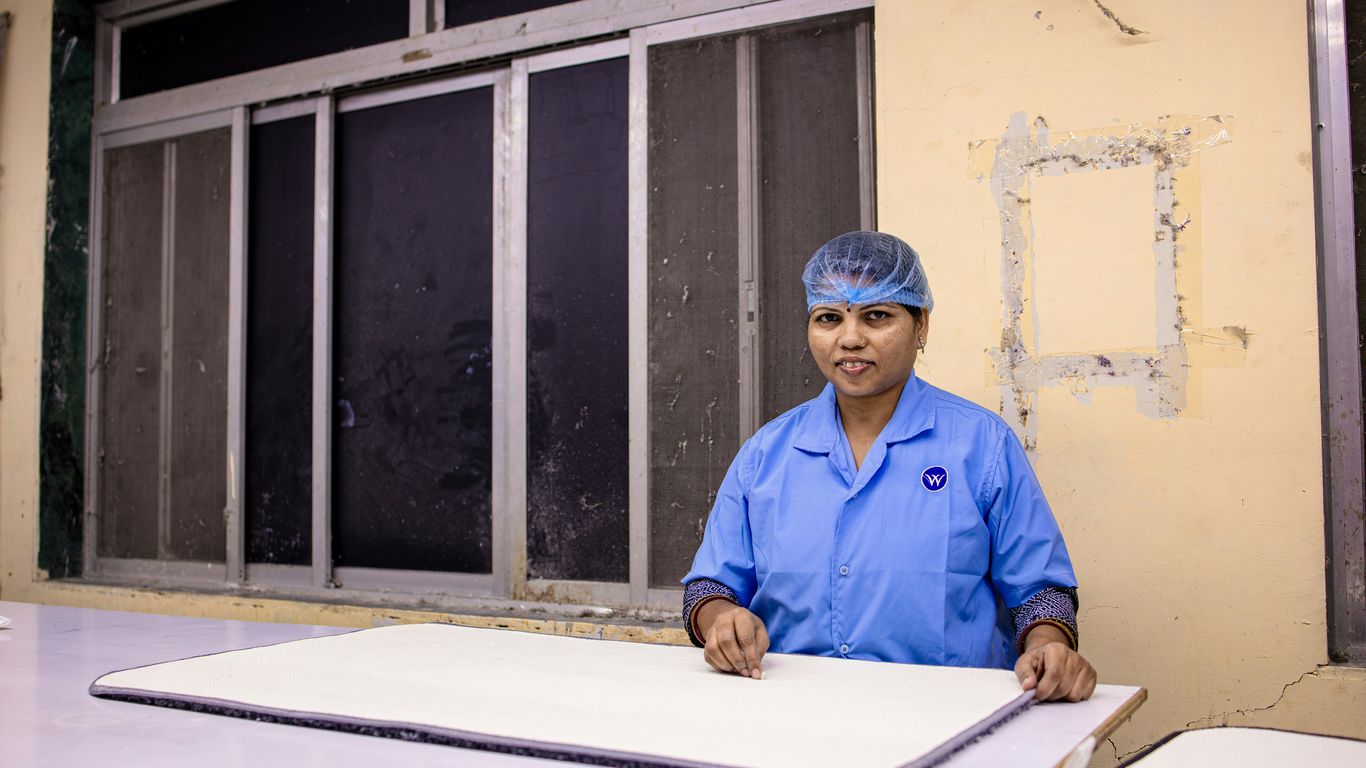
When you need a floor that can really take a beating, industrial epoxy flooring is often the go-to choice. It’s not just for show; these floors are built to handle some serious work. Think about places where heavy stuff is constantly moving, chemicals get spilled, and the general wear and tear is just part of the daily grind. That’s where epoxy really shines.
Manufacturing Plants and Factories
In manufacturing, floors have to deal with a lot. We’re talking about forklifts zipping around, heavy machinery being moved, and the constant foot traffic of workers. Plus, there are often spills of oils, greases, and other industrial fluids. Epoxy flooring provides a tough surface that can handle all of this. It resists the chemicals commonly found in these settings and can take the impact from dropped tools or equipment without chipping or cracking. The durability means less downtime for repairs, which is a big deal for keeping production running smoothly.
Warehouses and Distribution Centers
Warehouses are all about moving goods, and that means constant use of pallet jacks, forklifts, and other heavy equipment. These floors need to support significant weight and resist the constant abrasion from wheels and dropped items. Epoxy coatings offer that robust protection. They can also be customized with anti-slip additives to make sure forklifts and people have good traction, especially important in busy areas. You can even get clear safety line markings installed to help organize traffic flow and prevent accidents. It’s a practical solution for keeping a large, active space safe and functional. Check out some options for industrial floor coatings.
Automotive Industry and Repair Shops
Anyone working with cars knows that floors in repair shops and auto plants get exposed to all sorts of things – oils, brake fluid, solvents, and heavy tools. Epoxy flooring is a great match here because it’s highly resistant to these chemicals. A spill won’t eat away at the floor, and the surface is tough enough to handle dropped wrenches or parts. Many shops also appreciate the high-gloss finish that epoxy can provide. It reflects light better, which can really improve visibility and make the workspace feel brighter and safer.
Food and Beverage Processing Facilities
Hygiene is absolutely critical in places where food and drinks are made. Epoxy flooring is ideal because it creates a seamless, non-porous surface. This means there are no cracks or crevices for bacteria or mold to grow in, and spills can be wiped up easily without soaking into the floor. This makes cleaning much simpler and helps maintain a sanitary environment. The resistance to moisture and common cleaning chemicals used in these facilities is also a major plus. It’s a flooring solution that meets the strict standards required in this industry.
Key Considerations for Epoxy Flooring Installation
So, you’re thinking about getting epoxy flooring for your industrial space? That’s a smart move, but like any big project, there are a few things you really need to get right from the start. It’s not just about picking a color and hoping for the best.
Importance of Proper Surface Preparation
This is probably the most critical step, and honestly, it’s where a lot of DIY jobs go wrong. If the concrete underneath isn’t prepped correctly, your shiny new epoxy floor just won’t stick properly. We’re talking about making sure the concrete is totally clean, completely dry, and has the right kind of texture, or ‘profile’. Think of it like painting a wall – you wouldn’t paint over dirt and grime, right? The same idea applies here. Skipping or rushing this part means you’re setting yourself up for peeling, bubbling, or delamination down the road. It’s worth investing the time and effort here to get a floor that lasts. You can find more details on why this step matters so much on pages discussing concrete preparation.
Choosing Experienced Installation Professionals
While some people might consider a DIY approach, industrial epoxy flooring is a bit more involved than your average home improvement project. You really want folks who know what they’re doing. This means hiring a crew that has a solid track record with industrial-grade epoxy systems. They’ll know how to mix the materials correctly, apply them evenly, and manage the curing process, especially when dealing with tricky environmental factors like humidity or temperature fluctuations. A good installer will also be able to advise you on the best system for your specific needs.
Selecting the Right Epoxy System for Your Needs
Not all epoxy is created equal, and what works for a small workshop might not cut it in a busy manufacturing plant. You’ll want to think about:
- Traffic Levels: How many forklifts, carts, or people will be using the floor daily?
- Chemical Exposure: Will the floor be regularly exposed to oils, solvents, acids, or other harsh substances?
- Impact Resistance: Are heavy items likely to be dropped on the floor?
- Safety Features: Do you need enhanced slip resistance or specific color-coding for safety zones?
Choosing the correct epoxy formulation based on these factors is key to achieving the desired performance and longevity for your industrial flooring. It’s about matching the material to the environment it will live in.
Getting these details sorted upfront means you’ll end up with a floor that not only looks good but also performs exactly as you need it to, day in and day out.
Thinking about getting epoxy floors installed? It’s smart to know what to look for before you start. Proper preparation and the right materials make a big difference in how long your floors last and how good they look. Want to learn more about making sure your epoxy floor project goes smoothly? Visit our website for all the details and tips!
The Bottom Line on Tough Floors
So, when you look at it all, industrial epoxy flooring really is a solid choice for places that see a lot of action. It holds up to heavy stuff, resists spills, and just generally lasts a long time. We’ve seen how it can take a beating in factories and warehouses and still keep going. Picking the right epoxy system and making sure it’s put down right is key, but once it’s done, you’ve got a floor that can handle pretty much anything your business throws at it for years to come. It’s a smart move for keeping your operations running smoothly and safely.
Frequently Asked Questions
How strong are epoxy floors?
Epoxy floors are super strong! They can hold up to 10,000 pounds without breaking or cracking. This makes them perfect for places with heavy machines like forklifts.
Can epoxy floors handle spills and chemicals?
Yes, they can! Epoxy floors have a special coating that stops liquids like oils, solvents, and even strong acids from soaking in. This also makes them really easy to clean.
Are epoxy floors safe to walk on?
Absolutely. Epoxy floors can be made with special stuff added to make them less slippery, giving you better grip. They can also have bright lines painted on them to show safe paths and areas.
How long do epoxy floors last?
When put down correctly, epoxy floors can last for more than 15 years, even with lots of people and machines using them every day. Taking care of them is pretty simple, too.
Do I need to do anything special before installing epoxy floors?
Yes, it’s very important to get the floor ready first. This means cleaning it really well and sometimes roughing it up a bit so the epoxy sticks properly. This helps the floor last much longer.
Where are epoxy floors commonly used?
You’ll find epoxy floors in many places like factories, warehouses, car repair shops, and places that make food. They are great for any area that needs a tough, clean, and safe floor.