Thinking about doing something different with your basement floor? If you live in Richardson, TX, an epoxy floor might be just what your space needs. Epoxy floors are tough, look good, and don’t take much work to keep clean. It’s not just for garages or industrial spaces anymore—basements are a great place to use this stuff. Whether you want to fix up an old, cracked floor or just want something that stands up to spills and messes, epoxy has you covered. Let’s look at what makes epoxy floor for basement Richardson TX a smart choice, what it costs, and how to find the right folks for the job.
Key Takeaways
- Epoxy floor for basement Richardson TX means a surface that’s strong and stands up to wear and tear.
- It helps protect against water, stains, and even mold—great for basements that sometimes get damp.
- There are lots of different looks to choose from, whether you like simple colors or want something more eye-catching.
- Professional installation is usually worth it for the best results and long-lasting floors.
- Epoxy floors are easy to clean and can actually add value to your home.
Why Choose an Epoxy Floor for Basement in Richardson, TX
If you’ve got a basement in Richardson, TX, updating your floors with epoxy can make a big difference—both in looks and how the space works for your family. Epoxy floors are known for being tough, simple to care for, and surprisingly versatile. Here’s why more folks are picking epoxy for their basements in North Texas:
Superior Durability and Strength
Basements often deal with heavy storage, foot traffic, and the occasional dropped tool. Epoxy flooring can handle it all. The material forms a solid, protective layer over your existing concrete. It resists cracking, chipping, and surface wear much better than most other options. If you’re tired of dealing with flimsy floors that get beat up too fast, this is a huge plus.
- Handles heavy loads, shelving, or workout equipment
- Withstands scuffs, scrapes, and impact from daily use
- Won’t peel up or break down like some other coatings
Once you install epoxy, you won’t worry about moving stuff around or occasional rough handling—it’s built for real life.
Protection from Moisture and Stains
Basements in Texas sometimes face humidity spikes or the odd spill. Epoxy creates a strong, watertight seal over concrete. That means less worrying about moisture creeping into the slabs—or about stains setting in from paint, oil, or muddy boots.
Quick comparison of floor types and resistance:
| Flooring Type | Water Resistance | Stain Resistance |
|---|---|---|
| Carpet | Poor | Poor |
| Tile | Moderate | Moderate |
| Epoxy | Excellent | Excellent |
| Vinyl | Good | Good |
Epoxy’s slick surface naturally repels most liquids. A quick wipe with a mop or towel clears up most messes with little effort.
Enhanced Home Value and Aesthetics
Having updated, clean, and modern floors in your basement goes a long way when it comes to home value. Epoxy offers a polished, seamless appearance that can make a dark or dated lower level feel next-level modern. Whether you love a simple, glossy finish or want something with color flakes or even a metal sheen, you can find a style that fits your taste.
- Custom color and pattern options
- High-gloss or matte finishes
- Makes basements feel brighter and more welcoming
When it’s time to sell, newer and more attractive floors help your listing stand out. Plus, buyers appreciate a floor that looks great and holds up to daily life. For more local details, including how pricing is handled and what to expect with installation, take a look at epoxy flooring in Richardson, TX.
Key Benefits of Epoxy Floor for Basement Richardson TX
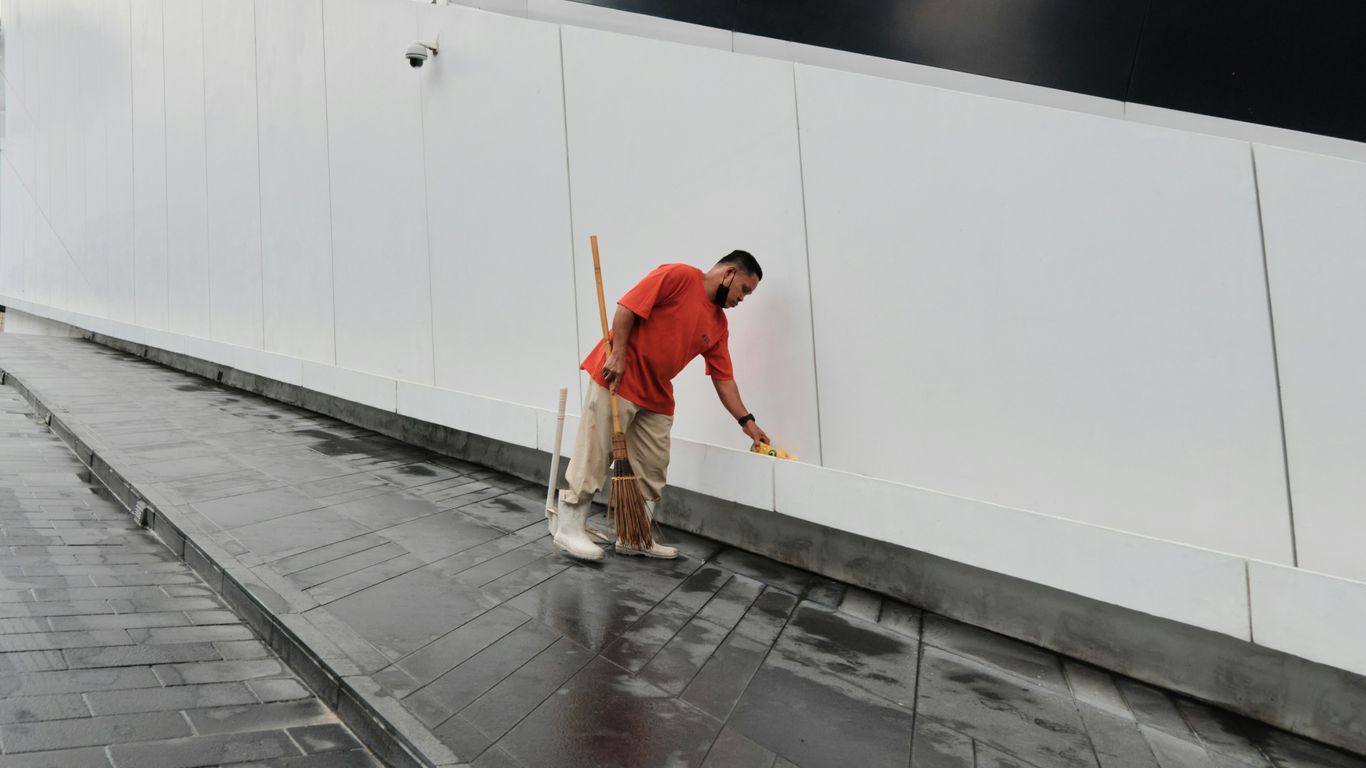
Low Maintenance and Easy Cleaning
Cleaning an epoxy floor is straightforward—just a quick sweep and occasional mop usually does the trick. Unlike carpet or tile, spills don’t soak in, and stains don’t set easily. You won’t waste weekends scrubbing or battling set-in grime. For busy families or anyone who just wants upkeep to be simple, epoxy is a solid choice.
- Dust and dirt can be swept up in seconds
- No waxing or harsh chemical cleaners required
- Stains from food, paint, or drinks wipe right off
If you’re tired of fighting with your old basement floor, swapping to epoxy means more time doing what you want, not cleaning.
Customizable Styles and Finishes
Epoxy isn’t one-look-fits-all. You can pick from a wide menu of colors, flakes, and various sheens, which lets you match your basement’s vibe—whether it’s a rec room, home gym, or workspace. Want something sleek and modern? Go high-gloss. Prefer a hint of texture or pattern? Flake finishes, quartz, or metallic effects all work.
Here’s a quick look at popular customization options:
| Finish Type | Visual Effect | Typical Use |
|---|---|---|
| Solid Color | Simple, uniform | Utility/storage basements |
| Flake/Chip | Speckled, textured | Playrooms, home gyms |
| Metallic | Reflective, dramatic | Dens, media rooms |
- Colors can be matched to existing decor
- Visual effects can make a dark basement feel brighter
- Flaked surfaces hide minor dirt between cleanings
Resistance to Chemicals, Spills, and Mold
Basements in Richardson, TX can be troubled by humidity and the occasional leak—exactly where epoxy shines. Epoxy is non-porous, which means water, cleaning products, and chemicals can’t get through. This also helps cut down on mold or musty odors, and if you’ve ever dropped paint or knocked over a bottle of detergent, you’ll appreciate how easy it is to wipe the mess away.
- Resistant to oil, bleach, detergent, and gasoline
- Stops moisture from soaking into your concrete
- Helps prevent growth of mold, mildew, and bacteria
Switching to epoxy in your basement isn’t just about looks—it’s about creating a space that works for you and lasts, even in tough Texas weather.
Types of Epoxy Floor Finishes for Richardson Basements
Basements in Richardson, TX, can look completely different depending on the type of epoxy floor finish you select. Whether you want a modern, polished style or something more understated, the choices are surprisingly varied—and each has its own on-the-ground benefits.
Solid Color Epoxy for a Clean Look
Solid color epoxy flooring is as straightforward as it gets. This finish covers the basement in a single, uniform color, making it popular for folks who want a neat, uncluttered vibe. It’s a no-fuss option that hides minor imperfections in the concrete and gives a crisp, professional look.
Some things you might like about solid color epoxy:
- Simple to wipe down and keep tidy
- Often the most budget-friendly epoxy style
- Works with just about any decor without being distracting
For busy families or people who just want an easy-to-clean space, solid color epoxy is hard to beat.
Decorative Flake and Quartz Systems
If you want more texture or want to hide dirt, decorative flake or quartz systems are smart. Colored vinyl flakes or quartz granules are scattered into the epoxy, then sealed in. This creates a speckled effect that not only looks cool but also feels slightly grippy underfoot.
Typical benefits include:
- Enhanced slip resistance, especially good for laundry or play areas
- Tons of color blends, so you can personalize it
- Camouflages dust, debris, or small imperfections in the floor
Here’s a quick look at how they stack up:
| Finish Type | Texture Level | Customization | Slip Resistance |
|---|---|---|---|
| Flake System | Moderate | High | Great |
| Quartz System | High | Moderate | Excellent |
Metallic and High-Gloss Designer Options
When people talk about show-stopping floors, metallic and high-gloss epoxy comes to mind. This type uses colored metallic pigments that swirl and blend to create dramatic effects—sometimes looking like marble, liquid metal, or even stone. You end up with a floor that feels more like art than just a practical surface.
Why folks choose metallic and high-gloss epoxy:
- Each one is unique—no two floors look exactly the same
- Light bounces off it, making the basement feel brighter
- Goes especially well in converted basement offices or hangout rooms
Choosing a bold epoxy finish can completely change the vibe of your basement—sometimes, that’s exactly what a space needs to feel exciting again!
With so many finishes available, it’s worth taking some time to figure out which type of epoxy fits your basement’s personality, how you’ll use the space, and what sort of upkeep you’re happy to manage.
Understanding the Installation Process for Epoxy Basement Floors
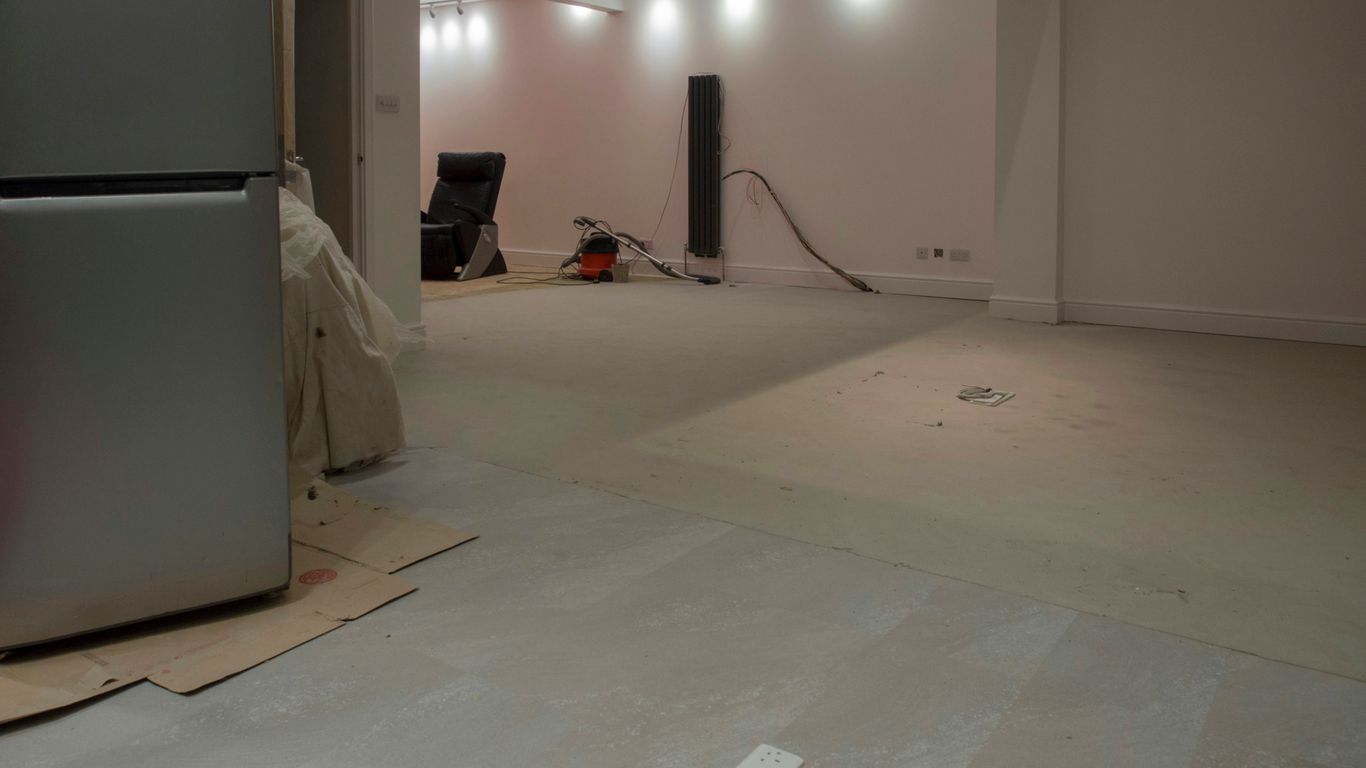
Getting an epoxy floor installed in your Richardson basement isn’t complicated, but knowing what happens during the process will help you set realistic expectations. The steps are methodical, and skipping any of them can mess up the final result. Here’s what to expect from start to finish.
Preparation and Concrete Repair
Before anything shiny goes on your floor, the surface has to be spotless and stable. This step isn’t glamorous, but it’s probably the most important. Installers usually:
- Remove any old flooring, glue, or paint.
- Fix cracks, pits, or damaged spots with epoxy fillers or mortar.
- Clean and degrease the concrete thoroughly so there’s nothing to block adhesion.
- Sometimes grind or etch the surface to help the coating lock on tight.
If you skip these, the epoxy won’t stick, and you’ll wind up with a peeling, patchy floor.
Primer and Coating Application Steps
Once the floor is ready, installers move to the coating phase. These steps need attention to detail and good timing:
- Primer: A thin primer coat is rolled on first. This acts as a base for the epoxy and helps it bond to the concrete.
- Main Epoxy Layer: The colored epoxy resin (mixed with a hardener) is spread evenly, usually using rollers or squeegees. Installers work pretty fast since epoxy starts setting quick.
- Decorative Options: If you want flakes or a metallic look, they’re tossed in while the primary layer is still wet.
If you’re picturing this like painting a wall, it’s not the same—epoxy is thicker and needs even coverage to avoid lumps or streaks.
Sealing and Curing for Longevity
The last big step is sealing up your floor for extra toughness:
- A clear topcoat goes on as the final layer. This seals in decoration, blocks moisture, and adds sheen.
- The floor needs to cure fully before you walk or move furniture on it. This could be 24-72 hours, depending on the weather and the epoxy used.
| Step | Purpose | Typical Timeframe |
|---|---|---|
| Preparation | Clean and fix surface | 1–2 days (varies by damage) |
| Primer | Help epoxy bond | 2–6 hours |
| Main Coating | Apply color/protection | 1 day |
| Decorative Layer | Add flakes/metallic touches | Immediately after coating |
| Sealing & Curing | Protect finish and let harden | 1–3 days after application |
Epoxy floors aren’t a weekend DIY for most folks. Professional installation ensures a smooth, tough surface that lasts far longer than a quick patch job.
Once the project is done, your basement floor should be rock-solid, easy to clean, and ready for whatever you want to throw at it—workouts, storage, hobbies, or just hanging out. The whole process is worth it for peace of mind and a floor that actually holds up over the years.
Cost Factors for Epoxy Floor for Basement Richardson TX
Figuring out the price for an epoxy floor in your Richardson basement isn’t as simple as looking at a single number. There are a few things that make the price swing up or down, and knowing these can help you set your expectations—or maybe even save a few bucks.
Pricing Based on Square Footage and Design
The size of your basement is one of the main things that determines cost. Most pros charge by the square foot, but there’s more to it than just grabbing a tape measure. If your floor is a nice, wide rectangle, it’s going to be cheaper per square foot than a space with a lot of nooks and crannies that need careful prepping. Custom features come into play, too—if you want fancy flakes, metallic shines, or multiple colors, expect the price to rise.
| Feature | Estimated Cost per Sq Ft |
|---|---|
| Basic Solid Color Epoxy | $3 – $6 |
| Decorative Flake/Quartz System | $5 – $8 |
| Metallic or High-Gloss Designer Finish | $7 – $12 |
| Concrete Repair/Additional Surface Prep | $1 – $3 (extra) |
Cost Comparison with Other Basement Flooring Options
Epoxy isn’t the only pick for basement floors. You might be tempted by tile or carpet, but each has its own costs and headaches. Here’s a quick look at how they stack up for a 500 sq ft basement:
| Flooring Type | Initial Cost (Installed) | Maintenance Needs | Lifespan |
|---|---|---|---|
| Carpet | $1,250 – $2,500 | Needs regular cleaning | 5–10 years |
| Tile | $2,000 – $5,000 | Grout can stain | 15–20 years |
| Vinyl Plank | $1,500 – $3,000 | Mold risk if wet | 10–15 years |
| Epoxy | $1,500 – $5,000 | Easy to sweep/mop | 15+ years |
- Carpet is cheap but not so great for moisture risk
- Tile is durable but often gets cold and slippery
- Vinyl is easy on the wallet but can be damaged by water
- Epoxy offers long life and low fuss after it’s down
Long-Term Value and Savings
When you add up the dollars, it’s helpful to think beyond just the install day. Epoxy floors require little maintenance and hold up against basement moisture, saving you replacement costs down the road. They’re less likely to need patching for stains or tears, and regular sweeping or mopping usually does the trick for cleaning.
Over time, the initial investment in epoxy often pays for itself by cutting back on maintenance and replacement hassles. This makes it a smart, budget-friendly choice for busy Richardson homeowners who want a floor that just works—and keeps working.
Choosing Local Epoxy Flooring Experts in Richardson, TX
Finding the right installer for your epoxy floor for basement project makes a world of difference—don’t just settle for the first company you see online. Instead, take some time to research local pros in Richardson, TX, who are known for solid work and honest service. Working with someone local often means quicker communication, on-site visits, and support from folks who understand this area’s specific weather and building quirks.
Qualities of Experienced Installers
Not all flooring installers are created equal. Here’s what you’ll want in a pro:
- Proven background in epoxy basement flooring—not just garage or commercial jobs
- Proper licensing and insurance (ask for proof)
- Willingness to discuss your project at length and answer your questions
- Attention to detail during site inspection and quoting
Local installers aren’t just contractors—they can be long-term contacts if you ever need touch-ups or repairs down the road.
Local Reputation and Customer Reviews
The internet can actually be useful! Make the most of reviews:
- Check sites like Google, Yelp, and social media for past customers’ feedback.
- Look for themes: Are clients happy with durability, looks, and the crew’s attitude?
- Notice if companies respond politely to negative reviews and offer fixes.
Sample Review Scoring Table
| Attribute | Company A | Company B | Company C |
|---|---|---|---|
| Avg. Google Rating | 4.9 | 4.6 | 4.8 |
| Review Count | 150 | 67 | 103 |
| Years in Business | 8 | 12 | 5 |
Ongoing Support and Warranties
A great local epoxy installer won’t vanish after the job. Here’s what you should expect:
- A clearly written warranty (ask about coverage for peeling, staining, and cracking)
- Clear details on who to call if problems show up later
- Willingness to give cleaning tips and future care schedules
Choosing a Richardson-based expert gives you an edge—these folks have a stake in keeping their good name in the area, and that often means friendlier service and faster fixes if anything goes wrong. A little research now saves a lot of trouble later.
Maintenance and Longevity of Your Epoxy Basement Floor
Keeping your epoxy basement floor in great shape isn’t complicated, but you can’t ignore it completely. Epoxy flooring lasts a long time, especially if you stick to a simple maintenance routine. The hard surface is tough, but the right care makes it last even longer and keeps it looking shiny.
Routine Cleaning and Upkeep
- Sweep or dust mop regularly to keep dirt or grit from scratching the surface.
- Use a soft mop with a gentle, non-abrasive cleaner for deeper cleaning sessions.
- Quickly wipe up any spills to prevent stubborn stains, even though epoxy resists most messes.
You don’t need special or expensive cleaning products—just basic supplies found at home usually do the trick. Making this a habit prevents small issues from turning into bigger cleaning headaches down the road.
Addressing Wear and Damage
Even the strongest epoxy floor can take a hit now and then. Heavy furniture, dropped tools, or dragged boxes might leave marks. Here’s how to deal with problems when they come up:
- For small scratches or chips, use a patching kit specifically meant for epoxy floors.
- For bigger damage, contact your installer—major repairs are sometimes better left to the pros.
- Avoid dragging heavy items; always lift them if you can. Using furniture pads under legs can help too.
How to Maximize the Life of Your Flooring
Want to squeeze every year out of your epoxy floor? Stick to these:
- Place doormats at entrances to catch grit before it hits the floor.
- Avoid using harsh chemicals like bleach or strong solvents.
- Reseal or topcoat your epoxy every few years if recommended by your installer.
| Maintenance Task | Frequency | Notes |
|---|---|---|
| Sweeping/Dust Mopping | Weekly | More often in high-traffic households |
| Damp Mopping | Monthly | Use mild cleaners, avoid harsh chemicals |
| Inspect for Chips | Every 6 months | Repair early to prevent spreading |
| Resealing (if needed) | 3-5 years | Ask your installer for best schedule |
If you stick to these steps, your basement epoxy floor will keep its shine and durability for years. Problems do pop up sometimes, but most can be fixed fast if you don’t put them off.
Keeping your epoxy basement floor clean and dry is easy and helps it last for years. Remember to wipe up any spills and sweep dirt away every week. If you want more helpful tips or need expert help with your floor, visit our website today!
Conclusion
Wrapping things up, getting an epoxy floor for your basement in Richardson, TX, is a pretty smart move if you want something that looks good and holds up over time. It’s tough, easy to clean, and you can pick from a bunch of different styles to match your space. Sure, there’s an upfront cost, but you’ll probably save money in the long run since you won’t be dealing with constant repairs or stains. Plus, there are plenty of local pros who know exactly what they’re doing, so you don’t have to go it alone. If you’re tired of dealing with a dull, dusty basement, maybe it’s time to give epoxy a shot. It could be just the upgrade your home needs.
Frequently Asked Questions
What is an epoxy floor and why is it good for basements?
An epoxy floor is a special coating made from a mix of resin and hardener that goes over concrete. It creates a strong, smooth surface that resists stains, water, and damage—making it great for basements that need protection from moisture and wear.
How long does an epoxy basement floor last?
When installed by professionals and taken care of, an epoxy floor in your basement can last anywhere from 10 to 20 years. Regular cleaning and quick repairs for any chips or cracks help it last even longer.
Can I choose different colors or designs for my epoxy basement floor?
Yes, epoxy floors come in many colors and styles. You can pick solid colors for a simple look, add decorative flakes or quartz for more texture, or go for shiny metallic finishes if you want something unique.
How much does it cost to install an epoxy floor in a Richardson, TX basement?
The cost depends on the size of your basement and the design you choose. On average, prices range from $3 to $12 per square foot. More detailed designs or bigger spaces can raise the price, but epoxy is often less expensive in the long run than tile or hardwood.
Is it hard to keep an epoxy basement floor clean?
No, epoxy floors are very easy to clean. You just need to sweep or mop them regularly. Because the surface is smooth and doesn’t soak up spills, you don’t have to worry much about stains or dirt sticking.
Should I hire a local expert to install my epoxy floor?
Yes, hiring a local professional is the best way to make sure your floor is installed correctly and lasts a long time. Local experts know the area’s weather and can give you advice on the best options for your basement in Richardson, TX.