Epoxy flooring is becoming a go-to choice for many commercial spaces. It’s not just about looking good; these floors are tough, cost-effective, and versatile. Whether it’s a hospital, a store, or a school, epoxy flooring can fit the bill. Plus, it’s pretty easy to maintain, which is a win for any business owner.
Key Takeaways
- Epoxy flooring stands out for its durability and long life, making it a smart choice for high-traffic areas.
- It’s a budget-friendly option that can save businesses money in the long run.
- With a range of colors and designs, epoxy flooring can enhance the look of any commercial space.
- The installation process is straightforward, but proper preparation is key to success.
- Routine maintenance is simple, keeping the floors looking new with minimal effort.
Benefits of Epoxy Flooring in Commercial Spaces
Durability and Longevity
Epoxy flooring is known for its exceptional durability, making it ideal for commercial spaces that experience high foot traffic and heavy equipment use. This type of flooring can withstand impacts, abrasions, and chemical spills, ensuring that it remains intact and functional for years. Businesses like industrial settings often choose epoxy because it helps maintain a professional appearance while reducing the need for frequent repairs.
Cost-Effectiveness
Investing in epoxy flooring can be a smart financial decision. Not only does it minimize maintenance expenses over time, but it also provides a cost-effective solution for resurfacing existing floors. By fixing damages and preventing further wear, epoxy floors help businesses avoid costly renovations. Moreover, the quick installation process means less downtime for your business operations, translating to more savings.
Aesthetic Versatility
One of the standout features of epoxy flooring is its aesthetic versatility. With a wide range of colors, patterns, and finishes available, businesses can customize their floors to match their branding or interior design. Whether you’re looking to create a sleek, modern look or something more vibrant and eye-catching, epoxy flooring offers endless possibilities. This adaptability not only enhances the visual appeal of a space but also contributes to a cohesive brand image.
Epoxy flooring combines functionality with style, offering a practical yet visually appealing solution for commercial environments. Its resilience, cost efficiency, and design flexibility make it a top choice for businesses aiming to create a safe and attractive space.
Applications of Epoxy Flooring in Various Industries
Healthcare Facilities
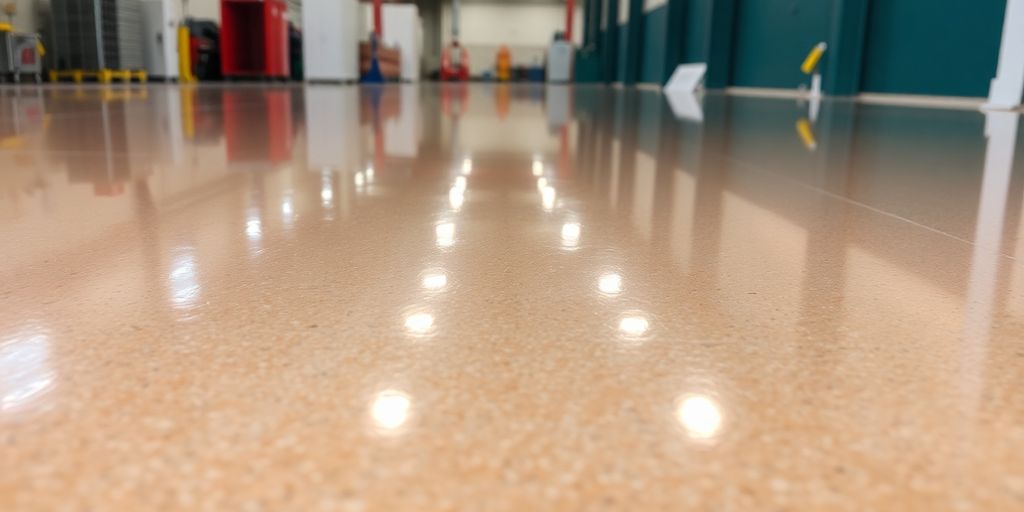
In healthcare settings like hospitals and clinics, flooring must meet strict hygiene standards. Epoxy flooring is a top choice because it eliminates seams where bacteria can hide. It’s easy to clean and maintain, offering a sterile environment crucial for patient safety. Additionally, epoxy floors can be customized with calming colors to aid in patient recovery and reduce stress.
Retail Environments
Retail spaces, ranging from big box stores to small boutiques, benefit greatly from epoxy floors. These floors can handle heavy foot traffic and are resistant to spills and stains, making them ideal for busy shopping areas. With a variety of colors and finishes, epoxy flooring can enhance the aesthetic appeal of retail spaces, creating a welcoming atmosphere for customers.
Educational Institutions
Schools and universities require flooring that can withstand the daily wear and tear of students and staff. Epoxy flooring fits the bill with its durability and ease of maintenance. It can also incorporate school colors and logos, adding a sense of identity to the space. Moreover, epoxy floors can help in noise reduction, creating a better learning environment for students.
Epoxy flooring is versatile enough to meet the demands of various industries, providing a durable and attractive solution that stands the test of time.
Installation Process of Commercial Epoxy Flooring
Preparation and Surface Assessment
Before diving into the epoxy flooring installation, it’s all about getting the surface ready. First, you need to inspect and test the area to understand what you’re working with. This usually involves checking the moisture levels and any existing damage. Surface preparation is key to ensuring the epoxy sticks well and lasts long. You’ll likely need to clean the area thoroughly, removing any oils or contaminants. Depending on the condition, you might have to grind or blast the surface to make it smooth and even.
Application Techniques
Once the surface is prepped, it’s time to apply the epoxy. The application method can vary but typically involves a few steps:
- Priming the Surface: This step ensures the epoxy adheres well to the substrate, creating a strong bond.
- Mixing the Epoxy: Follow the manufacturer’s instructions to mix the epoxy with any pigments or additives.
- Applying the Epoxy: Use rollers or squeegees to spread the epoxy evenly across the floor. Make sure to work quickly as the mixture can begin to set.
Curing and Maintenance
After application, the epoxy needs time to cure. This can take anywhere from a few hours to a couple of days, depending on the specific product and environmental conditions. During this time, it’s crucial to keep the area free from dust and debris. Once cured, routine maintenance is straightforward. Regular cleaning with mild detergents helps keep the floor in top shape. In case of any damage, touch-ups can be done easily to maintain the floor’s integrity.
Installing epoxy flooring is a process that requires attention to detail, but the results are worth it. With proper preparation and care, epoxy floors can offer durability and an appealing finish for years.
Comparing Epoxy Flooring with Other Flooring Options
Epoxy vs. Concrete
Concrete floors are a staple in many commercial settings, known for their strength and industrial look. But when you compare them to epoxy, there are some notable differences. Epoxy flooring offers excellent chemical resistance and is much easier to clean, making it a top choice for environments where spills are common. While concrete is durable, it can be prone to cracking and requires regular sealing to maintain its integrity. Epoxy, on the other hand, creates a seamless surface that not only protects the underlying concrete but also enhances its durability.
Epoxy vs. Vinyl
Vinyl flooring is popular for its affordability and ease of installation. It’s available in numerous styles and colors, which makes it appealing for many commercial spaces. However, vinyl can wear down quickly in high-traffic areas and is susceptible to damage from heavy loads. Epoxy flooring, with its excellent chemical resistance and robust surface, can withstand heavy machinery and foot traffic without showing signs of wear. Plus, epoxy’s ability to be customized with colors and patterns offers a level of aesthetic flexibility that vinyl often can’t match.
Epoxy vs. Tile
Tile flooring is another common choice, known for its classic appearance and variety. However, tiles can chip or crack, and grout lines can become a maintenance headache. Epoxy flooring eliminates these issues with its seamless application, providing a smooth, uniform surface. This makes it not only easier to clean but also more resistant to damage. Additionally, epoxy can incorporate textures and finishes that mimic the look of tile, offering a similar aesthetic without the drawbacks of grout maintenance.
When choosing a flooring solution for your commercial space, consider the unique demands of your environment. Epoxy flooring stands out for its durability, customization options, and low maintenance needs, making it a smart investment for many businesses.
Customization Options for Epoxy Flooring
Color and Design Choices
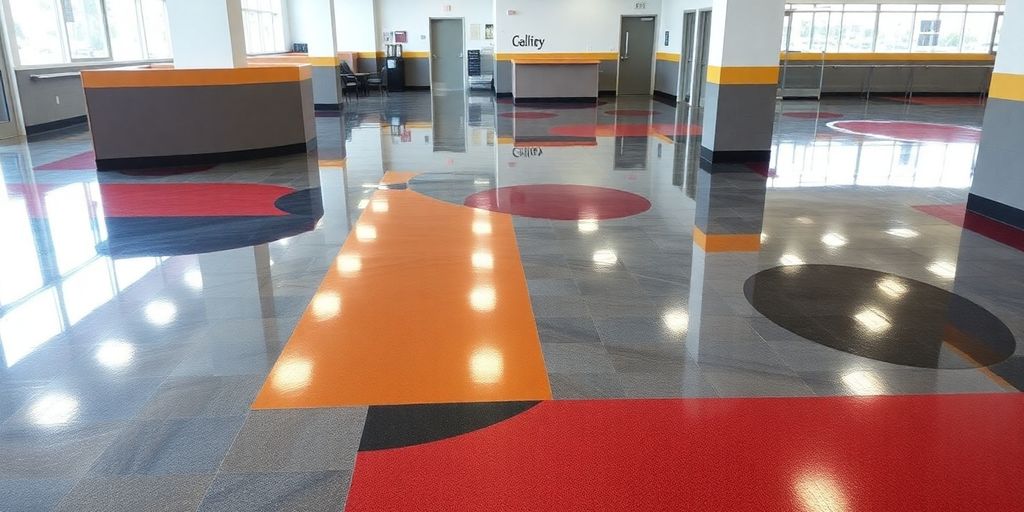
Epoxy flooring opens up a world of possibilities when it comes to color and design. You can transform any commercial space into a vibrant, appealing environment with a broad palette of colors and patterns. Whether you’re aiming for a sleek, modern look or something more traditional, epoxy can be tailored to match your vision. Consider these options:
- Solid Colors: Choose from a wide range of solid hues to create a clean and professional appearance.
- Metallic Finishes: Add a touch of elegance with metallic effects that shimmer and change under different lighting.
- Custom Patterns: Incorporate intricate designs or logos directly into the floor, perfect for branding or thematic elements.
Texture and Finish Variations
The texture and finish of your epoxy flooring can significantly impact the overall feel of a space. From high-gloss to matte, the finish you choose can enhance the aesthetic and functional qualities of your floor. Here are some options:
- Smooth Finish: Ideal for areas where easy cleaning is a priority, providing a seamless look.
- Textured Finish: Offers slip resistance, perfect for areas prone to spills or moisture.
- Flake or Quartz Additions: Introduce colored flakes or quartz for added texture and visual interest.
Incorporating Logos and Branding
For businesses that want to make a lasting impression, epoxy flooring can be customized to include logos or branding elements. This not only enhances the visual appeal of the space but also reinforces brand identity. The process involves:
- Design Consultation: Work with a designer to create a layout that integrates your branding seamlessly.
- Precision Application: Skilled technicians apply the design using specialized techniques to ensure accuracy and durability.
- Final Touches: A protective topcoat is applied to preserve the design and maintain the floor’s longevity.
Epoxy flooring is not just about durability and ease of maintenance; it’s a canvas for creativity. With the right customization, your floors can reflect the personality and ethos of your business, making every step a statement.
Maintenance and Care for Epoxy Floors
Routine Cleaning Practices
Keeping your epoxy floors clean is pretty straightforward. A mild solution of dish soap and warm water is usually all you need to get rid of dirt and grime without harming the surface. For regular upkeep, try to sweep or vacuum the floor daily to remove dust and debris. If you want to mop, do it weekly with a soft mop. Avoid harsh chemicals and abrasive cleaners as they can dull the finish.
Repair and Touch-Up Solutions
Epoxy floors are pretty tough, but they can still get scratched or chipped over time. For minor damages, you can use an epoxy repair kit to fix scratches or small chips. Just clean the area, apply the repair solution, and let it cure. For larger repairs, it might be best to call in a professional to ensure a seamless finish.
Long-Term Maintenance Tips
To keep your epoxy floors looking new for years, consider these tips:
- Use protective mats in high-traffic areas to minimize wear and tear.
- Reapply a topcoat every few years to maintain the gloss and protection.
- Inspect regularly for any signs of damage or wear, addressing issues promptly to prevent further deterioration.
Epoxy floors are a great investment for commercial spaces due to their durability and easy maintenance. With just a little care, they can maintain their shine and resilience for many years.
Environmental and Safety Considerations
Eco-Friendly Materials
Epoxy flooring is not just about aesthetics and durability; it’s also about being kind to the Earth. Many epoxy systems are made with low VOC (volatile organic compounds) formulations, which means they emit fewer pollutants into the air. This contributes to better indoor air quality, making these floors a wise choice for eco-conscious businesses. Choosing epoxy flooring can significantly reduce your carbon footprint compared to other flooring options.
Slip Resistance and Safety Features
Safety in commercial spaces is a top priority, and epoxy flooring offers excellent customizable slip-resistant features. These floors can be tailored with different textures to meet specific safety requirements, reducing the risk of slips and falls. Whether it’s a restaurant kitchen or a healthcare facility, ensuring a safe environment for employees and customers is crucial.
Compliance with Industry Standards
When it comes to flooring, meeting industry standards is non-negotiable. Epoxy floors are designed to comply with various safety and environmental regulations, ensuring that your commercial space is up to code. This compliance not only protects your business legally but also promotes a safer and healthier environment for everyone who steps foot in your building.
Embracing epoxy flooring in your commercial space is not just an investment in durability and aesthetics but also a commitment to safety and environmental responsibility. This choice reflects a forward-thinking approach that values both people and the planet.
When considering epoxy flooring, it’s important to think about both the environment and safety. Choosing eco-friendly materials not only helps protect our planet but also ensures a safe space for your family or employees. If you’re ready to transform your space with beautiful and durable epoxy flooring, visit our website for more information and a free quote!
Wrapping It Up
So, there you have it. Epoxy flooring isn’t just a pretty face; it’s a workhorse for commercial spaces. Whether you’re running a hospital, a car dealership, or a retail store, these floors have got your back. They’re tough, easy to clean, and can handle whatever you throw at them—literally. Plus, with all the color and design options, you can make your space look just the way you want. And let’s not forget, they save you money in the long run by cutting down on maintenance costs. So, if you’re thinking about upgrading your floors, epoxy might just be the way to go. It’s like giving your business a solid foundation to stand on.
Frequently Asked Questions
What makes epoxy flooring a good choice for commercial spaces?
Epoxy flooring is tough and long-lasting, making it perfect for busy areas. It resists spills and stains, is easy to clean, and can be customized with colors and designs.
How is epoxy flooring installed in a commercial area?
First, the surface is cleaned and prepared. Then, the epoxy is applied in layers. It needs time to dry between layers, and the whole process can take a few days.
Can epoxy floors be used in places like hospitals and schools?
Yes, epoxy floors are great for hospitals and schools because they are easy to keep clean and can handle lots of foot traffic. They also help reduce noise, which is important in these settings.
Are there different looks available for epoxy floors?
Absolutely! You can choose from many colors and designs. You can even add textures or logos to make the floor unique.
How do you take care of epoxy flooring?
Epoxy floors are simple to maintain. Regular sweeping and mopping keep them clean. If there are any scratches or damages, they can be fixed easily.
Is epoxy flooring safe for all kinds of businesses?
Yes, epoxy flooring is safe and can include slip-resistant features. It’s also eco-friendly and meets safety standards for many industries.