Thinking about sprucing up your garage? Epoxy flooring might be just what you need. It’s a popular choice for many homeowners looking to protect and beautify their garage floors. With different types available, like water-based or metallic epoxy, there’s something for every taste and need. Plus, it’s not just about looks; epoxy flooring is tough and can handle the wear and tear of a busy garage. But, like anything, it comes with its own set of challenges and maintenance requirements.
Key Takeaways
- Epoxy flooring offers a durable and attractive solution for garage floors.
- There are various types of epoxy coatings, each with its own pros and cons.
- Proper installation and maintenance are crucial for long-lasting epoxy floors.
- Epoxy floors can be customized with color flakes and designs for a unique look.
- Be aware of common issues like peeling and discoloration, and know how to address them.
Understanding Epoxy Flooring for Garages
What is Epoxy Flooring?
Epoxy flooring is a robust and durable garage floor coating made from a combination of resin and hardeners. When these two components mix, they form a chemical bond that creates a rigid plastic material. This surface is not only tough but also resistant to stains, chemicals, and impacts, making it perfect for a garage setting. Epoxy flooring is more than just a protective layer; it transforms the garage into a functional and aesthetically pleasing space.
Benefits of Epoxy Flooring in Garages
Epoxy flooring offers several advantages for garage owners:
- Durability: Epoxy coatings are known for their strength, providing a long-lasting surface that can withstand heavy foot and vehicle traffic.
- Resistance: The flooring is resistant to stains, chemicals, and impacts, making it ideal for environments where spills and heavy equipment are common.
- Aesthetic Appeal: With various colors and finishes available, epoxy flooring can enhance the look of any garage, giving it a sleek, polished appearance.
- Ease of Maintenance: The seamless surface makes cleaning a breeze, requiring simple sweeping and occasional mopping to keep it looking pristine.
Common Misconceptions About Epoxy Flooring
Despite its benefits, there are several misconceptions about epoxy flooring:
- Slipperiness: While some believe epoxy floors are slippery, they can be customized with anti-slip additives to enhance traction.
- Complex Installation: Many think that installing epoxy flooring is overly complicated. However, with the right preparation and tools, it can be a manageable DIY project.
- Limited Lifespan: Some assume that epoxy floors won’t last long. In reality, when properly installed and maintained, they can last for many years without significant wear.
Epoxy flooring isn’t just about aesthetics; it’s a practical choice for those looking to protect and beautify their garage spaces. Understanding the true nature of epoxy flooring can help you make an informed decision, ensuring your garage floor meets both your functional needs and style preferences.
Types of Epoxy Flooring for Garages
Water-Based Epoxy
Water-based epoxy is a popular choice for those looking to give their garage floor a fresh look without breaking the bank. This type of epoxy is more user-friendly, especially for DIY enthusiasts, due to its lower levels of volatile organic compounds (VOCs). While it might not be as durable as other types, it’s great for those who want a quick and easy application. The biggest advantage is its low odor, making it suitable for indoor use. However, if you’re considering a single coat of water-based epoxy, be aware that it might not last as long as other options.
100% Solids Epoxy
If you’re after durability, 100% solids epoxy is the way to go. This type offers a thicker coating, which means it’s excellent at covering up imperfections like cracks and pits in your garage floor. It’s also highly resistant to stains and chemicals, making it perfect for heavy-duty use. One downside is that it can be a bit tricky to apply, so you might want to consider hiring a professional. But once it’s down, you’ll have a high-gloss finish that can withstand a lot of wear and tear. For those who need a robust solution, 100% solids epoxy is often considered the gold standard.
Metallic Epoxy Options
Metallic epoxy is all about style. If you want your garage to stand out, this is the option for you. It creates a unique, shimmering effect that can mimic the look of marble or other high-end finishes. While it might not be as tough as 100% solids epoxy, it’s still durable enough for most residential garages. Plus, it offers a level of customization that other types can’t match. You can choose from a variety of colors and effects to create a truly personalized space. Just keep in mind that achieving the perfect look might require a bit of practice or professional help.
How to Choose the Right Epoxy Flooring
Assessing Your Garage Needs
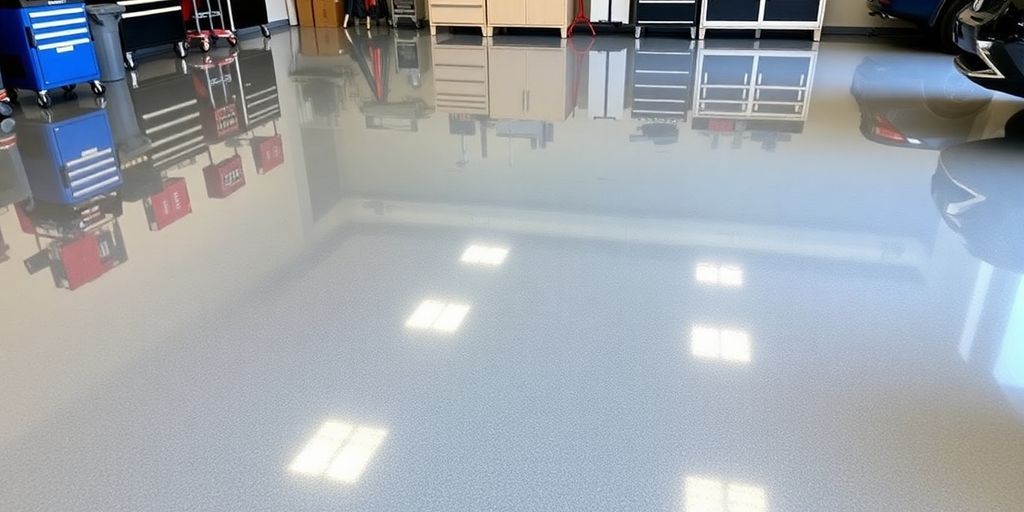
Before diving into the world of epoxy flooring, it’s crucial to figure out what your garage really needs. Consider the condition of your current floor. Is it riddled with cracks or mostly smooth? If it’s in rough shape, opting for a thicker epoxy might be your best bet because it can help hide imperfections. Think about how you use your garage too. If it’s just for parking, a basic epoxy might do. But if you’re planning on using it as a workshop or gym, you might want something more durable.
Comparing Epoxy with Other Coatings
Epoxy isn’t the only player in town. You’ve got urethane, polyurea, and even good old garage floor paint. Here’s a quick rundown:
| Coating Type | Pros | Cons |
|---|---|---|
| Epoxy | Durable, hides flaws | Can yellow in sunlight |
| Urethane | UV resistant, clear finish | Doesn’t bond well with concrete |
| Polyurea | Quick curing, scratch resistant | High odor |
Each has its own perks and downsides. For instance, epoxy garage floors are known for their durability and ability to mask concrete flaws, but they can yellow over time if exposed to a lot of sunlight. Urethane, on the other hand, is great for UV resistance but doesn’t bond as strongly with concrete.
Budget Considerations
Let’s face it, money matters. Epoxy flooring can range from budget-friendly to pretty pricey depending on the type and quality. Here’s a simple breakdown:
- Water-Based Epoxy: Generally the cheapest option but may not last as long.
- 100% Solids Epoxy: More expensive but offers a thicker, more durable finish.
- Metallic Epoxy: Often the priciest due to its unique look and complexity in application.
When setting your budget, think about the long-term. A cheaper option might save you now but could cost more in repairs or reapplications down the road.
Choosing the right epoxy flooring isn’t just about picking a color or finish. It’s about understanding your needs, comparing your options, and making a decision that fits your budget and lifestyle. Take your time, weigh your options, and you’ll end up with a garage floor that not only looks great but stands the test of time.
Installation Process for Epoxy Garage Floors
Preparing the Garage Floor
Before you even think about opening that epoxy can, you’ve got to get your garage floor ready. Preparation is key to a successful epoxy application. Start by clearing out the entire garage; you don’t want any obstacles in your way. Sweep and vacuum the floor to get rid of dust and debris. If your floor has any oil stains, use a degreaser to clean them up. Next, you’ll need to etch the concrete. This step is crucial because it opens up the pores of the concrete, allowing the epoxy to adhere better. You can use a product like GhostShield Eco-Etch for this. Rinse the floor thoroughly and let it dry completely, which might take a day or two depending on the weather.
Applying the Epoxy Coating
Now comes the fun part—applying the epoxy. Mix the epoxy resin and hardener as per the instructions on the package. You’ll want to work in sections, as epoxy can dry quickly. Pour the mixture onto the floor and use a roller to spread it evenly. Make sure you have a good garage floor epoxy kit handy. This is also the time to add any decorative color chips if you want a bit of flair. Just sprinkle them over the wet epoxy and use the roller to press them in gently.
Curing and Maintenance Tips
Once the epoxy is applied, patience is your best friend. Allow the floor to cure properly, which usually takes about 24 to 72 hours. During this time, keep the garage well-ventilated and avoid stepping on the floor. After it’s cured, you can move your stuff back in. For maintenance, regular sweeping and occasional mopping should keep your floor looking fresh. Avoid harsh chemicals when cleaning, as they can dull the finish over time. If you notice any wear or damage, you might need to consider a reapplication down the line.
Maintaining Your Epoxy Garage Floor
Regular Cleaning Tips
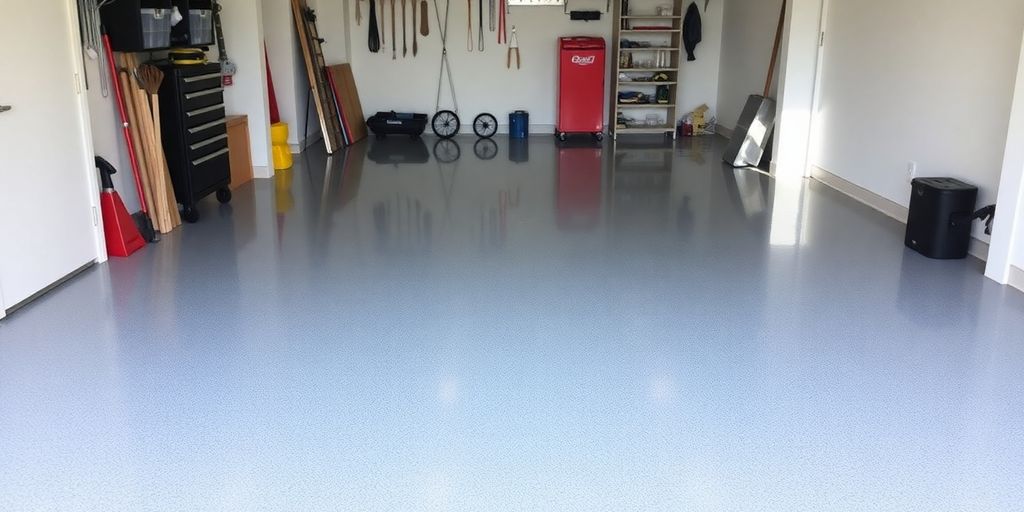
Keeping your epoxy garage floor clean is pretty simple. Regular sweeping and mopping can help maintain its shine and prevent dirt buildup. Use a soft-bristle broom or dust mop to sweep the floor. For mopping, a mix of hot water and ammonia-free cleaner works wonders. Avoid harsh chemicals like bleach or citric acid, as they can damage the coating. You can find more tips on cleaning epoxy floors here.
Handling Stains and Spills
Accidents happen, right? When dealing with spills, quick action is your best friend. Wipe up oil, antifreeze, or any other liquids as soon as possible using a soft cloth or paper towel. For stubborn stains, a gentle scrub with a soft brush and a diluted ammonia solution usually does the trick. Just remember, the longer a stain sits, the harder it might be to remove.
When to Reapply Epoxy Coating
Even the toughest floors need a little TLC now and then. If you notice your epoxy floor losing its luster or showing signs of wear, it might be time for a recoat. Typically, a well-maintained epoxy floor can last several years before needing a touch-up. Keep an eye out for peeling or cracks, as these are telltale signs that a reapplication is due. Reapplying not only restores the floor’s look but also enhances its protective qualities.
A little maintenance goes a long way in preserving the beauty and durability of your epoxy garage floor. Regular care not only prolongs the life of the floor but also keeps it looking fresh and new.
Common Issues with Epoxy Garage Floors
Peeling and Cracking
Epoxy floors can sometimes peel or crack, which is often due to poor preparation of the floor before application. Proper surface preparation is key to preventing these issues. If the concrete isn’t cleaned and etched properly, the epoxy won’t adhere well, leading to peeling. Cracks can also form if the epoxy is applied too thin or if the floor experiences heavy impacts.
Discoloration Problems
Over time, epoxy floors might start to discolor, especially if they’re exposed to sunlight. This is because most epoxies are not UV-resistant. To combat this, it’s a good idea to apply a UV-resistant topcoat, like a polyurea or MCU, which can help maintain the floor’s original color.
Moisture and Humidity Concerns
Moisture is another common enemy of epoxy floors. If water vapor is trapped underneath the epoxy, it can cause the coating to bubble or lift. It’s crucial to test for moisture in the concrete before applying the epoxy. Using a vapor barrier can also help mitigate this issue.
Epoxy floors are durable and attractive, but like any flooring, they come with their own set of challenges. Addressing these issues early can help keep your garage floor looking great for years.
Enhancing Your Garage with Epoxy Flooring
Adding Color Flakes and Designs
Spicing up your garage floor with color flakes is like adding sprinkles to a cake. These flakes not only add a splash of personality but also help in hiding imperfections. You can choose from a variety of colors and sizes to create a custom look. Color flakes can transform your plain garage floor into a lively and inviting space. They are mixed with the epoxy and applied during the coating process, ensuring they are securely embedded.
Combining Epoxy with Other Materials
Epoxy floors can be combined with materials like quartz or metallic pigments to create unique textures and finishes. Quartz gives a gritty, slip-resistant surface, ideal for areas prone to spills. Metallic pigments, on the other hand, create a shimmering, almost 3D effect, making your garage look like a showroom. This combination not only boosts the visual appeal but also enhances the floor’s durability and resistance to chemicals.
Creating a Showroom Finish
If you’re aiming for a showroom-like finish, epoxy flooring is your best bet. Start by ensuring the floor is perfectly smooth and clean. Then, apply a high-gloss epoxy coating. This type of finish reflects light beautifully, making the space look bigger and more inviting. It’s perfect for those who want their garage to be more than just a storage space. A showroom finish is not just about looks; it also offers increased protection against stains and chemicals, making maintenance a breeze.
"Turning your garage into a space that reflects your style is not just about aesthetics; it’s about creating a durable and functional area that you’ll enjoy for years to come."
Transform your garage into a stunning space with epoxy flooring! Not only does it look great, but it’s also super strong and easy to clean. If you want to learn more about how epoxy can change your garage, visit our website today!
Wrapping It Up: Epoxy Flooring for Your Garage
So, there you have it. Epoxy flooring for your garage isn’t just about making it look good—it’s about durability and ease of maintenance too. Whether you’re a weekend warrior or just someone who wants a clean, polished space, epoxy can be a solid choice. Sure, it might take a bit of prep work, but once it’s down, you’re looking at a floor that’s tough as nails and easy to keep clean. Plus, with all the color and style options, you can really make it your own. Just remember, a little effort upfront can save you a lot of hassle down the road. So why not give it a shot? Your garage might just thank you for it.
Frequently Asked Questions
What exactly is epoxy flooring?
Epoxy flooring is a type of floor coating made from a mixture of resin and hardener. When applied, it forms a strong, shiny surface that can withstand heavy use, making it ideal for garages.
Why should I choose epoxy flooring for my garage?
Epoxy flooring is durable, easy to clean, and resistant to stains and chemicals. It’s a great choice for garages because it can handle the weight of vehicles and doesn’t wear down easily.
Is epoxy flooring slippery?
While epoxy flooring can be slippery when wet, adding texture or anti-slip additives can help improve traction and make it safer to walk on.
How long does epoxy flooring last in a garage?
With proper installation and maintenance, epoxy flooring can last 10-20 years in a garage. Regular cleaning and occasional touch-ups will help it stay in good condition.
Can I install epoxy flooring myself?
Yes, you can install epoxy flooring yourself with a DIY kit. However, it requires careful preparation and attention to detail to ensure a smooth and long-lasting finish.
What should I do if my epoxy floor starts peeling or cracking?
If your epoxy floor starts peeling or cracking, it’s important to address the issue quickly. Remove any damaged areas, clean the surface, and reapply the epoxy to fix the problem.