
Thinking about giving your floors a makeover with epoxy? You’re not alone. Epoxy flooring is becoming a go-to choice for homeowners because it’s tough, looks great, and works in almost any room. But before you dive in, there are probably a ton of questions swirling in your head. This FAQ-style article is here to clear things up. From the prep work to maintenance, we’ll cover the basics so you can decide if epoxy is right for your home.
Key Takeaways
- Epoxy flooring is a durable and stylish option for homes, suitable for areas like garages, kitchens, and basements.
- Proper surface preparation is critical for a successful epoxy flooring installation.
- Professional installation is often recommended to avoid common DIY mistakes.
- Regular cleaning and occasional reapplication of a topcoat can extend the life of your epoxy floor.
- Epoxy flooring offers various design options, making it customizable for your home’s style.
Understanding Epoxy Flooring Basics
What Is Epoxy Flooring?
Epoxy flooring is a type of surface coating made by combining epoxy resin with a hardener. When these two ingredients mix, they create a chemical reaction that forms a solid plastic layer. This durable layer bonds tightly to the floor, creating a smooth, seamless, and long-lasting surface. It’s widely used in garages, basements, and even living spaces because of its versatility and strength.
Key Benefits of Epoxy Flooring
Epoxy flooring isn’t just about looking good—it’s practical too. Here’s why homeowners love it:
- Durability: It can handle heavy foot traffic, vehicles, and even industrial equipment without cracking or chipping.
- Low Maintenance: A quick sweep or mop is usually enough to keep it clean. The smooth surface resists dirt and grime.
- Customizable: From glossy finishes to textured, matte options, you can choose a style that fits your home.
- Water Resistance: Perfect for bathrooms or basements, it prevents moisture damage and mold growth.
- Cost-Effective: Compared to hardwood or tile, epoxy is a budget-friendly option for large spaces.
Common Types of Epoxy Coatings
When it comes to epoxy flooring, not all options are the same. Here are a few popular types:
- Solid Epoxy: The go-to choice for most homes. It’s tough, easy to clean, and comes in many colors.
- Metallic Epoxy: Known for its unique, marbled look—great for adding a modern touch to your space.
- Graveled Epoxy: This one’s textured and slip-resistant, making it ideal for outdoor areas or places prone to spills.
Epoxy flooring offers a safe, durable, and low-maintenance solution ideal for both residential and commercial spaces. It’s a smart choice for anyone looking to balance functionality with aesthetics.
Preparing for Epoxy Flooring Installation
Steps to Prepare Your Concrete Surface
Before applying epoxy, the concrete surface needs to be in top shape. Here’s what you should do:
- Thorough Cleaning: Sweep and mop the floor to remove dirt, oil, and any contaminants. Consider using a degreaser for stubborn grease spots.
- Repair Damage: Fill cracks, holes, or uneven areas with a concrete filler or patching compound. This ensures a smooth and level base.
- Surface Profiling: Use a grinder or shot blaster to roughen the surface. This step helps the epoxy bond better to the concrete.
- Moisture Testing: Check for moisture issues using a plastic sheet test or a moisture meter. Epoxy won’t stick properly to damp surfaces.
Taking these steps seriously sets the foundation for a long-lasting, professional-looking epoxy floor.
Importance of Professional Preparation
Hiring professionals can save you from costly mistakes. They have the right tools and expertise to handle surface preparation efficiently. For example, they can identify hidden moisture problems or use industrial-grade grinders for better results. If you’re unsure about tackling the prep work yourself, it’s worth considering professional help.
Common Mistakes to Avoid
Avoid these common pitfalls during preparation:
- Skipping Repairs: Ignoring cracks or holes can lead to an uneven epoxy finish.
- Not Cleaning Properly: Any residue left behind can prevent the epoxy from adhering correctly.
- Rushing the Process: Skipping moisture tests or not allowing repairs to set can compromise the entire installation.
For a smoother experience, it’s best to prepare your space for epoxy floor coating installation by following these steps and avoiding common errors.
The Epoxy Flooring Installation Process
Cleaning and Priming the Surface
Before applying epoxy, the surface needs to be spotless. Start by sweeping away dirt and debris, then use a degreaser to remove oil stains or grease. This step is crucial for ensuring the epoxy bonds properly. If the floor has cracks or holes, fill them with a concrete patch and let it dry completely. After cleaning, you might need to grind or sand the surface to create a rough texture that helps the epoxy adhere better. Some installations also benefit from a primer, which acts as a base layer for the epoxy.
Mixing and Applying Epoxy
Mixing epoxy is all about precision. Combine the resin and hardener according to the manufacturer’s instructions—getting the ratio wrong can ruin the entire project. Once mixed, you’ll need to work quickly, as the epoxy starts to harden after a certain period. Begin by applying the epoxy along the edges using a brush, then switch to a roller for the larger areas. Depending on your desired finish, you can add decorative flakes or textures before the epoxy sets. Multiple coats may be required, with drying time in between.
Curing and Final Touches
Epoxy flooring doesn’t reach its full strength immediately. Allow it to cure for at least 24 to 48 hours, avoiding any foot traffic during this time. Once cured, inspect the surface for any imperfections. If a topcoat is part of your plan, this is the time to apply it—it adds extra durability and a polished look. After curing, your floor is ready for use and will be both functional and visually appealing.
Maintaining Your Epoxy Floors
Regular Cleaning Tips
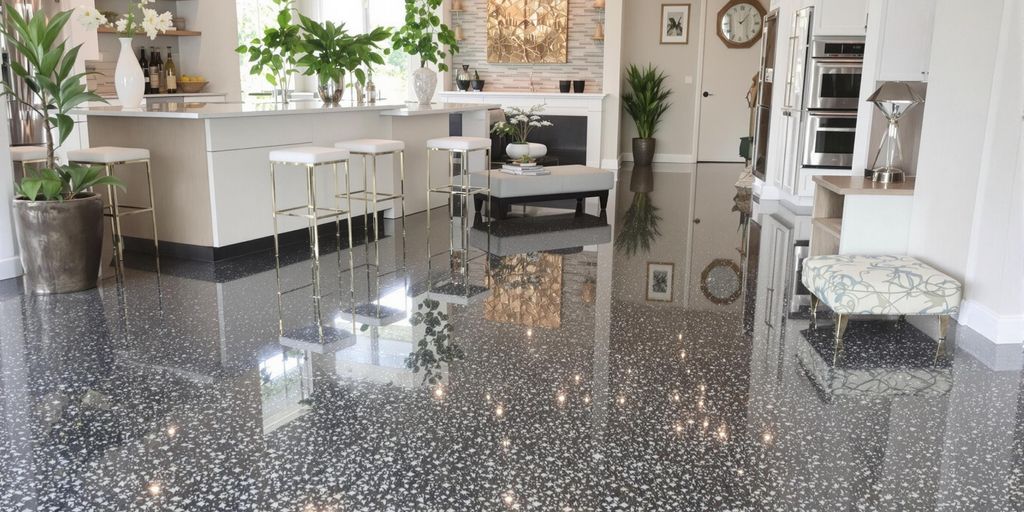
Keeping epoxy floors clean is pretty straightforward, but consistency is key. Start by sweeping or dust mopping the floor daily to remove dirt and debris. For deeper cleaning, use a mop with a pH-neutral cleaner—nothing acidic or abrasive, as these can mess up the finish. If you spill something, clean it right away to avoid stains or damage.
Preventing Scratches and Damage
Epoxy floors are tough, but they’re not indestructible. To keep them looking fresh:
- Place felt pads or rubber protectors under furniture legs.
- Avoid dragging heavy or sharp objects across the floor.
- Use mats in high-traffic areas to reduce wear and tear.
When to Reapply a Topcoat
Over time, you might notice the floor losing its shine or showing signs of wear. This is normal and can be fixed with a fresh topcoat. Reapplying a topcoat every few years helps maintain the floor’s protective layer and keeps it looking like new.
With just a little effort, epoxy floors can stay beautiful and durable for decades. Regular care not only preserves their appearance but also extends their lifespan.
Choosing the Right Epoxy Flooring for Your Home
Factors to Consider When Selecting Epoxy
When picking the perfect epoxy flooring, it’s not just about looks—though that’s important. You’ll want to weigh durability, safety, and maintenance needs alongside aesthetics. Here are some key things to think about:
- Room Function: High-traffic areas like kitchens or garages might need tougher options like solid epoxy or epoxy mortar. For living rooms, metallic epoxy offers a sleek, stylish finish.
- Moisture Levels: If you’re installing in basements or bathrooms, go for water-resistant options to avoid mold or damage.
- Budget: Epoxy flooring can be more affordable than hardwood or tile, but costs can vary depending on the type and design you choose.
Popular Design Options for Homeowners
Epoxy flooring isn’t just practical—it can be a statement piece. Here are some popular styles homeowners love:
- Metallic Epoxy: Offers a unique marbled look, perfect for modern living spaces.
- Flake Epoxy: Adds texture and color with decorative chips, great for garages or basements.
- Solid Epoxy: A versatile choice for kitchens and entryways, available in a variety of colors.
Epoxy flooring doesn’t just transform a space—it can also boost your home’s value with its customizable designs and durability.
Where Epoxy Flooring Can Be Installed
Epoxy flooring is incredibly versatile, making it suitable for a range of spaces:
- Kitchens and Bathrooms: Its water resistance makes it perfect for wet areas.
- Garages and Basements: Durable and easy to clean, even in high-traffic or utility spaces.
- Living Rooms and Entryways: Sleek and modern, epoxy can be customized to fit your interior style.
For homeowners seeking a durable and stylish solution, epoxy flooring is an excellent choice that combines functionality with design flexibility.
Hiring a Professional Epoxy Flooring Contractor
Why Professional Installation Matters
Getting epoxy flooring installed by a professional makes all the difference. Sure, you could try it yourself, but the process is tricky. Experts know how to properly prep the surface, mix the epoxy just right, and apply it evenly. These steps are crucial for a durable and smooth finish. Plus, pros have the right tools and materials to avoid common issues like bubbling or uneven curing.
Hiring a contractor ensures that your epoxy floor not only looks great but also holds up over time, saving you from costly mistakes and repairs.
Questions to Ask Your Contractor
Before hiring, don’t hesitate to ask questions. Here’s a checklist to guide you:
- How much experience do you have with epoxy flooring? Look for someone who specializes in this type of work.
- Are you licensed and insured? This protects both you and the contractor in case something goes wrong.
- Can you provide references or photos of past projects? A good contractor will have a portfolio and happy clients to back them up.
- What’s included in your estimate? Make sure you’re clear on what you’re paying for—prep work, materials, labor, etc.
- Do you offer a warranty? A warranty shows they stand behind their work.
How to Compare Contractor Quotes
When comparing quotes, don’t just look at the price. Here are some key factors to consider:
| Factor | What to Look For |
|---|---|
| Experience | Years of work and specialization in epoxy |
| Materials Used | High-quality resins and hardeners |
| Warranty | Coverage for installation issues |
| Timeline | Realistic and clear project deadlines |
| Customer Reviews | Positive feedback from previous clients |
Take your time to evaluate each contractor. Sometimes, the cheapest option isn’t the best. A slightly higher price could mean better materials or a more skilled team. Remember, this is an investment in your home.
Addressing Common Concerns About Epoxy Flooring
Is Epoxy Flooring Safe for Homes?
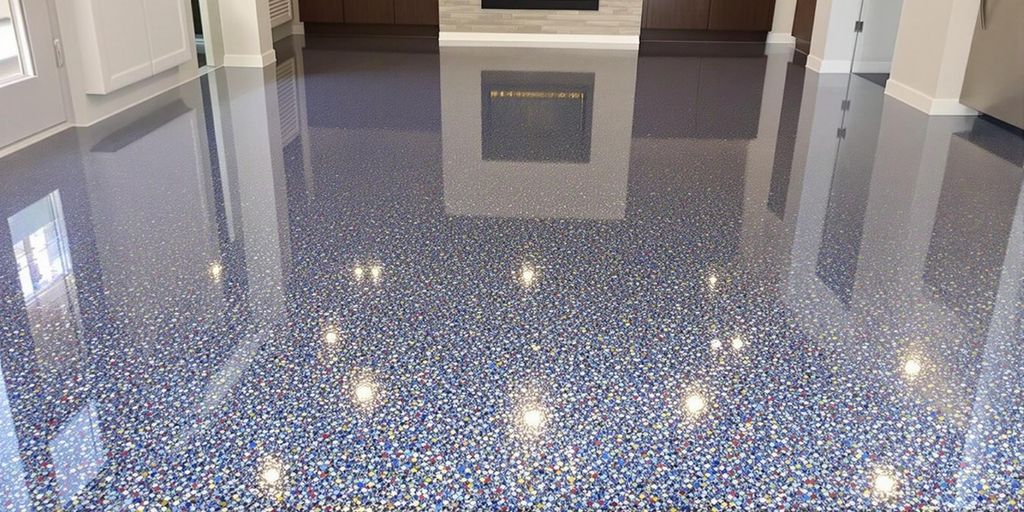
Epoxy flooring is generally a safe choice for residential use. Its seamless surface resists bacteria, allergens, and dirt, making it a hygienic option. Additionally, its non-porous nature prevents mold and mildew growth, especially in moisture-prone areas like basements or bathrooms. For added safety, you can opt for anti-slip additives to reduce the risk of slips and falls. Proper installation, however, is crucial—poorly applied epoxy can lead to uneven surfaces or bubbling, which might pose hazards.
How Long Does Epoxy Flooring Last?
When installed correctly, epoxy flooring can last anywhere from 10 to 20 years, depending on the level of foot traffic and maintenance. This longevity makes it a cost-effective option for many homeowners. Regular cleaning and occasional reapplication of a protective topcoat can extend its life even further. Here’s a quick breakdown of factors that impact durability:
| Factor | Impact on Durability |
|---|---|
| Foot Traffic | High traffic may cause wear |
| Maintenance Routine | Proper cleaning prolongs life |
| Installation Quality | Professional work lasts longer |
Can I Install Epoxy Flooring Myself?
While DIY epoxy flooring kits are available, the process requires meticulous preparation and application. From cleaning and repairing the surface to mixing the epoxy correctly, missing a step can lead to peeling, bubbling, or an uneven finish. If you’re not experienced, hiring a professional ensures a smoother, longer-lasting result. For those who love tackling home projects, start small—maybe try applying epoxy to a garage floor before committing to larger spaces in your home.
Epoxy flooring combines durability, safety, and aesthetics, but its success heavily depends on proper installation and care. For peace of mind, consider professional help for optimal results.
If you’re worried about epoxy flooring, you’re not alone. Many people have questions about its durability, maintenance, and safety. The good news is that epoxy flooring is tough and can handle a lot of wear and tear. It’s also easy to clean and can look great in any space. If you want to learn more about how epoxy flooring can work for you, visit our website for more information and a free quote!
Wrapping It Up
Epoxy flooring can be a game-changer for your home, offering a mix of durability, style, and low maintenance. Whether you’re sprucing up your garage, basement, or even your living room, it’s a solid choice that stands the test of time. Just remember, proper installation and a little upkeep go a long way in keeping it looking sharp. If you’re unsure about tackling it yourself, don’t hesitate to call in the pros. At the end of the day, a well-done epoxy floor is not just practical—it’s a feature you’ll enjoy every day.
Frequently Asked Questions
What is epoxy flooring?
Epoxy flooring is a type of coating made from a mix of resin and hardener. When applied to a concrete surface, it creates a durable, seamless, and shiny finish. It’s popular for its strength and ability to resist stains and scratches.
How long does epoxy flooring last?
With proper installation and care, epoxy flooring can last anywhere from 10 to 20 years. The lifespan depends on factors like foot traffic, maintenance, and whether it’s in a home or industrial setting.
Can I install epoxy flooring myself?
While it’s possible to install epoxy flooring on your own, it’s not recommended. Proper preparation, mixing, and application require experience to avoid issues like uneven surfaces or peeling.
What are the benefits of epoxy flooring?
Epoxy flooring is durable, easy to clean, and resistant to stains, moisture, and scratches. It also comes in various colors and designs, making it a stylish and practical choice for many spaces.
Where can epoxy flooring be installed in a home?
Epoxy flooring works well in areas like garages, basements, kitchens, and even living rooms. It’s ideal for spaces with concrete floors that need a durable and attractive finish.
How do I maintain epoxy flooring?
To keep your epoxy floors in good condition, sweep or mop them regularly and avoid using harsh chemicals. Place furniture pads under heavy items to prevent scratches, and reapply a topcoat every few years if needed.