Deciding on the right flooring can be a real head-scratcher, can’t it? You’ve got all these options, and they all sound pretty good. Today, we’re going to look at two popular choices: epoxy and polished concrete. We’ll break down what each one is, what’s good about them, and how they stack up against each other. This way, you can figure out which one is the best fit for whatever space you’re working with, whether it’s your home, a shop, or a big old warehouse. Let’s get into it.
Key Takeaways
- Epoxy flooring is a coating applied over concrete, offering a seamless, durable finish with lots of design choices. It’s great for resisting chemicals and stains.
- Polished concrete involves grinding and polishing the existing concrete slab to create a smooth, reflective surface. It’s known for its durability, low maintenance, and modern look.
- When comparing epoxy vs polished concrete, epoxy generally offers better resistance to chemicals and stains, while polished concrete might have a slight edge in longevity and cost-effectiveness for initial installation.
- Installation for epoxy involves applying layers of resin and hardener, often requiring professional help. Polished concrete involves mechanical grinding and polishing of the existing slab.
- The best choice between epoxy vs polished concrete depends on your priorities: choose epoxy for maximum chemical resistance and design flexibility, or polished concrete for a durable, low-maintenance, and cost-effective aesthetic.
Understanding Epoxy vs Polished Concrete
When you’re looking at new flooring, two options often pop up: epoxy and polished concrete. They both sound tough and look pretty good, but they’re actually quite different. It’s not just about how they look; it’s about what they’re made of, how they’re put down, and what they’re best used for. Think of it like choosing between a really sturdy work boot and a sleek, stylish dress shoe – both are footwear, but you wouldn’t wear them to the same place.
What Is Epoxy Flooring?
Epoxy flooring isn’t actually a type of flooring material itself, but rather a coating applied over a concrete subfloor. It’s made from a mix of epoxy resins and a hardener. When these two components combine, they create a chemical reaction that cures into a hard, durable, plastic-like surface. This coating bonds directly to the concrete, forming a strong, seamless layer. You can get epoxy in all sorts of colors, and some even have cool metallic effects that give them a really unique look. It’s known for being super resistant to chemicals, stains, and impacts. Because it’s a coating, it can fill in small cracks and imperfections in the original concrete, giving you a smooth, uniform finish. It’s a popular choice for garages, workshops, and commercial kitchens where spills and heavy use are common.
What Is Polished Concrete?
Polished concrete, on the other hand, is what you get when you take an existing concrete slab and grind it down. It’s a mechanical process, not a coating. Think of it like sanding wood, but with concrete. Special machines with diamond-tipped abrasives are used to grind away the top layer of the concrete. As the grinding gets finer, the surface becomes smoother and more reflective. A chemical hardener, called a densifier, is usually applied during the process. This seeps into the concrete and makes it denser and more resistant to stains and wear. The final result is a smooth, glossy surface that’s essentially the concrete itself, just made much more attractive and durable. It’s a great option if you like a more natural, minimalist look and want something that lasts practically forever with minimal fuss. Many people choose it for its modern aesthetic and its ability to reflect light, which can make a space feel brighter. You can find out more about different types of epoxy if you’re leaning that way.
Both epoxy and polished concrete start with a concrete base, but the way they transform that base leads to very different flooring solutions. One is a protective layer added on top, while the other is the concrete itself, refined and enhanced.
Key Benefits of Epoxy Flooring
When you’re looking at flooring options, epoxy really shines for a few big reasons. It’s not just about making a space look good; it’s about creating a surface that can handle a lot and is easy to live with. This makes it a super practical choice for many different kinds of places.
Exceptional Durability and Longevity
Epoxy flooring is built tough. It’s made from a mix of resin and hardeners that, when combined, create a really strong, solid surface. Think of it like a protective shield for your floor. It holds up well against all sorts of daily wear and tear, like people walking around, things being moved, or even accidental drops. Unlike some other floors that might chip or crack easily, epoxy tends to stay intact. This means you won’t have to worry as much about replacing it or doing constant repairs, which is a big plus for saving money and hassle over time. It’s a flooring solution that’s designed to last, which is why it’s a popular choice for busy areas. You can find out more about epoxy floor coatings and their benefits.
Versatile Design Possibilities
One of the coolest things about epoxy is how much you can customize it. It comes in a huge range of colors, and you can even add different patterns or flakes to give it a unique look. Want a bright, bold color to make a statement? Or maybe something more subtle and neutral? Epoxy can do that. You can even get finishes that mimic other materials. This flexibility means you can really match the floor to the overall style of your space, whether it’s a home garage, a retail shop, or a commercial kitchen. It’s not just about function; it’s about creating a specific vibe.
Ease of Maintenance and Hygiene
Keeping an epoxy floor clean is surprisingly simple. Because the surface is smooth and seamless, dirt and spills don’t have many places to hide. A quick sweep or mop usually does the trick. This lack of seams also means it’s harder for bacteria and mold to grow, which is a big deal if you’re concerned about keeping things hygienic. This makes it a great option for places like healthcare settings or food prep areas where cleanliness is super important. Plus, its resistance to water, stains, and chemicals means you don’t have to stress too much about accidental spills.
The seamless nature of epoxy flooring not only simplifies cleaning but also contributes to a healthier environment by minimizing places where allergens and microbes can accumulate. This makes it a smart choice for anyone prioritizing a clean and safe living or working space.
Advantages of Polished Concrete
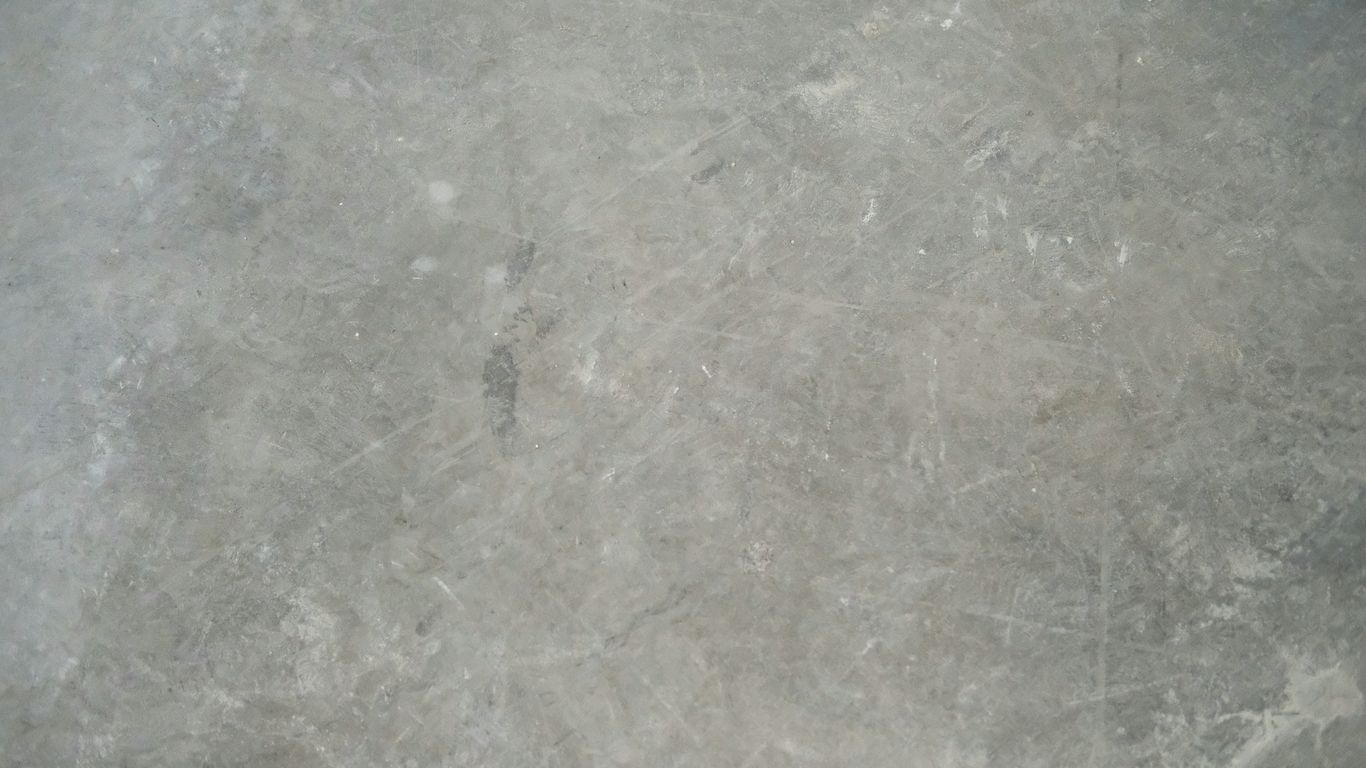
When you’re looking at flooring options, polished concrete really stands out for a few key reasons. It’s not just about looking good, though it certainly does that. This type of flooring is built to last and doesn’t demand a ton of your time or money to keep it looking sharp.
Superior Durability and Wear Resistance
Polished concrete is incredibly tough. Think about places with tons of foot traffic, like busy shops or workshops – this flooring can handle it all. It’s basically concrete that’s been ground down and buffed to a high sheen, making it super dense and resistant to damage. This means it won’t easily scratch, chip, or wear down, even under heavy use. It’s a solid choice for areas where you need a floor that can take a beating and keep on going. It’s a great option for industrial settings where durability is a must.
Cost-Effectiveness and Sustainability
One of the big wins for polished concrete is its price point, both upfront and over time. You’re often working with the existing concrete slab, which cuts down on material costs. Plus, because it’s so durable, you’re not looking at frequent repairs or replacements. It’s also a pretty green choice. Since you’re not adding new materials or coatings that might have a big environmental footprint, it’s a more sustainable option for your space. It’s a flooring solution that’s kind to your wallet and the planet.
Sleek Aesthetic and Light Reflection
Let’s talk looks. Polished concrete has this really clean, modern vibe. You can get it in different finishes, from a matte look to a super high gloss that almost looks like glass. It can even be stained or colored to match your decor. Another cool thing is how it reflects light. A polished surface bounces light around the room, which can make your space feel brighter and potentially even cut down on your lighting costs. It gives a space a really polished, sophisticated feel without trying too hard.
Polished concrete is essentially an existing concrete slab that has been ground, honed, and polished to achieve a desired level of sheen. This process densifies the concrete, making it more resistant to stains and wear. It’s a practical choice for many environments.
Here’s a quick rundown of why it’s a solid pick:
- Long-lasting: Built to withstand heavy use.
- Low Maintenance: Simple cleaning is usually all that’s needed.
- Modern Look: Offers a clean, stylish aesthetic.
- Eco-Friendly: Utilizes existing concrete, reducing waste.
Comparing Performance: Epoxy vs Polished Concrete
So, you’ve got your eye on either epoxy or polished concrete for your floors. Both are tough, but how do they actually stack up against each other when things get a little rough? Let’s break down how they handle the daily grind.
Resistance to Chemicals and Stains
When it comes to spills, especially the nasty kind, epoxy usually takes the lead. Think labs or workshops where chemicals are part of the job; epoxy’s resinous nature creates a barrier that’s really good at fending off corrosive substances and tough stains from things like oil or paint. It’s pretty much non-porous, so most liquids just bead up on the surface.
Polished concrete, on the other hand, is naturally more porous. While it’s tough, it can absorb spills if they’re left to sit. To get it to resist stains and chemicals like epoxy, you often need to add sealants or specific additives. Without these, a spilled bottle of wine or some grease might leave a mark.
Safety Features and Slip Resistance
Both flooring types can be made safer, but they do it a bit differently. Epoxy floors are known for their ability to reflect light, which can make a space feel brighter and help reduce shadows where someone might trip. Plus, you can add special aggregates to the epoxy mix to give it a textured, anti-slip surface, which is a big plus in busy areas.
Polished concrete also reflects light really well, sometimes even more than epoxy, which can make a room feel more open and airy. While a smooth polished concrete floor can be slippery when wet, the level of polish can be adjusted. Some finishes offer a decent grip, but like with chemical resistance, adding specific sealants can improve slip resistance further.
Longevity Under Heavy Traffic
This is where it gets interesting. Both epoxy and polished concrete are built to last, but their lifespans can vary based on installation quality and the kind of stress they’re under. A well-installed epoxy floor can handle a lot of foot traffic and impacts without much fuss. However, in areas with extreme wear and tear, like a busy factory floor, epoxy might eventually show scratches or wear down, potentially needing a recoat every few years.
Polished concrete, when done right, is essentially hardened concrete. It’s incredibly durable and can last for decades, often outliving epoxy in terms of sheer resilience to heavy use. It doesn’t chip or peel like some coatings can. The main thing with polished concrete is that its performance is tied to the quality of the original slab and the grinding/polishing process. If the concrete underneath is weak, even the best polishing won’t make it last forever.
Here’s a quick look at how they generally compare:
| Feature | Epoxy Flooring | Polished Concrete |
|---|---|---|
| Chemical Resistance | Excellent (especially with specific types) | Fair (requires sealants for high resistance) |
| Stain Resistance | Excellent | Fair (requires sealants for high resistance) |
| Slip Resistance | Can be enhanced with additives | Can be enhanced with sealants |
| Durability (Heavy Traffic) | Very Good (may need recoating over time) | Excellent (long-lasting, minimal wear) |
| Scratch Resistance | Good (can show scratches over time) | Very Good (surface hardness is key) |
Ultimately, the choice often comes down to the specific demands of your space. If you’re dealing with frequent chemical spills or need a highly customized look, epoxy might be your go-to. For sheer, long-term durability and a more natural aesthetic, especially if you’re working with an existing slab, polished concrete is a strong contender.
Installation Process Differences
So, you’re trying to figure out how these floors actually get put down, right? It’s not just about how they look, but how much of a headache (or not) the installation is going to be. Honestly, it’s a pretty big difference between epoxy and polished concrete, and it can really impact your timeline and budget.
Polished Concrete Installation Steps
Putting down polished concrete is kind of like giving your existing concrete slab a really intense spa treatment. It’s all about mechanical grinding and polishing. Here’s the general idea:
- Surface Prep: First, they check out your existing concrete. Got cracks? Bumps? They’ll fix those up. This is super important for the final look.
- Grinding: This is where the magic happens. They use special machines with diamond abrasives, starting with coarser grits and moving to finer ones. It’s like sanding, but way more intense, to smooth out the surface and start bringing out that shine.
- Hardeners/Densifiers: After grinding, they’ll often apply a liquid chemical hardener. This stuff seeps into the concrete and makes it denser and stronger. It’s what helps it get that really smooth, almost glassy finish.
- Polishing: More grinding and polishing with even finer grits. This is what creates the actual sheen, from a matte look to a high-gloss mirror finish. The more you polish, the shinier it gets.
- Sealing (Optional): Sometimes, they’ll add a sealer or impregnator to protect the surface and make it easier to clean, especially if you want extra stain resistance.
The whole process can take a few days, depending on the size of the area and how shiny you want it. It’s a dusty job, but the end result is a floor that’s literally part of your existing slab.
Epoxy Flooring Application Process
Epoxy flooring is more like painting a really, really tough coat of paint onto your floor. It’s a multi-step chemical process that creates a new surface layer.
- Surface Preparation: This is arguably the most critical step for epoxy. The concrete needs to be absolutely clean, dry, and free of any grease, oil, or old coatings. They might need to grind or shot-blast the surface to create a profile for the epoxy to grip onto. Any repairs to cracks or divots are done here too.
- Priming: Often, a primer coat is applied. This helps the epoxy adhere better to the concrete and can seal any minor imperfections.
- Epoxy Application: This is where the two-part epoxy (resin and hardener) is mixed. It has a limited pot life, meaning you have to work fast once it’s mixed. They’ll pour it onto the floor and spread it evenly with squeegees or rollers.
- Decorative Flakes/Chips (Optional): If you want that speckled look, decorative flakes are broadcast into the wet epoxy while it’s still curing.
- Top Coat/Sealer: Once the main epoxy layer has cured, a clear top coat or sealer is often applied. This adds extra protection, UV resistance, and can give it a different sheen (like matte or gloss).
Applying epoxy is a bit more involved than just pouring it on. You’ve got to get the surface just right, mix the chemicals correctly, and work within specific timeframes. It’s definitely a job that requires precision and attention to detail to avoid issues like peeling or unevenness down the line.
The application of epoxy can also take a few days, especially when you factor in curing times between coats. It’s a more layered approach, building up a protective coating on top of your concrete.
Cost Considerations for Your Flooring Choice
When you’re figuring out the cost of new flooring, it’s not just about the price tag you see upfront. You’ve got to think about the whole picture, from the moment it’s installed to how much work and money it’ll take to keep it looking good for years to come. Both epoxy and polished concrete have their own financial stories, and understanding them can really help you make the best choice for your budget and your space.
Initial Installation Expenses
Getting a new floor put in is usually the biggest chunk of change. With polished concrete, the initial cost can seem pretty reasonable because you’re often working with the existing slab. The price really depends on how much grinding and polishing is needed, and if you want any special colors or finishes added. Epoxy, on the other hand, can sometimes cost more to get started. This is because it often requires more prep work on the concrete surface, and the materials themselves can add up, especially if you’re going for a more complex design or multiple layers.
Here’s a general idea of what you might expect:
- Polished Concrete: Lower to moderate initial cost, depending on the complexity of the finish.
- Epoxy Flooring: Moderate to higher initial cost, influenced by surface prep, material quality, and design.
Long-Term Maintenance Costs
This is where things can really shift. Polished concrete, while looking great, might need some regular attention to keep its shine and prevent stains. Think about re-burnishing or occasional sealing. Epoxy flooring, because it forms a protective layer, often requires less intensive upkeep. Cleaning is usually straightforward. However, it’s worth noting that some epoxy coatings might need recoating every few years, which adds to the long-term expense. The key is to balance the upfront investment with the ongoing care required.
- Polished Concrete: May require periodic re-sealing or re-burnishing to maintain appearance and protection.
- Epoxy Flooring: Generally easier to clean; potential need for recoating over many years.
Overall Lifespan Value
When you look at the total cost over the entire life of the floor, the picture becomes clearer. A well-maintained polished concrete floor can last a very long time, offering good value. Epoxy flooring is also known for its durability and can last for many years, especially in commercial settings with heavy use. The decision often comes down to which option provides the best return on investment for your specific needs, considering both its initial price and how much you’ll spend on it throughout its life. It’s about finding that sweet spot between what you pay now and what you’ll pay later, all while getting a floor that works for you.
Choosing the Right Flooring for Your Space
So, you’ve made it this far, and now it’s time to figure out which floor is actually going to work for your place. It’s not just about picking something that looks good, right? You’ve got to think about what you’re actually going to do in the space. This is where we really nail down the differences between epoxy and polished concrete.
Ideal Applications for Epoxy Flooring
Epoxy flooring is a real workhorse, especially when you need a floor that can take a beating and still look good. Think about places where spills are common or where you need a super clean surface. Garages are a classic example – oil drips, tire marks, all that stuff. Epoxy handles it. It’s also great for commercial kitchens, labs, or even hospitals because it’s so easy to sanitize. Plus, if you want a really specific look, like a bright color or a cool pattern, epoxy gives you way more freedom to play around with designs. It’s the go-to for environments that demand high performance and a custom aesthetic.
Best Use Cases for Polished Concrete
Polished concrete, on the other hand, is fantastic for spaces that need that sleek, modern vibe but also need to stand up to serious traffic. Warehouses, retail stores, and even trendy loft apartments often go for polished concrete. It has this natural, understated elegance that works with a lot of different decor styles. It’s also a good choice if you’re trying to be a bit more eco-friendly, since you’re working with the existing concrete. It’s tough, it looks sharp, and it doesn’t require a ton of fancy upkeep to keep it looking decent. It’s a solid, no-fuss option for many situations.
Here’s a quick rundown to help you decide:
- For High-Traffic Areas: Both can work, but polished concrete often has a slight edge in sheer volume of foot traffic without showing wear as quickly.
- For Chemical Resistance: Epoxy is generally superior if you’re dealing with frequent spills of oils, solvents, or other harsh chemicals.
- For Design Flexibility: If you dream of a specific color, logo, or intricate pattern, epoxy is your best bet.
- For a Natural, Industrial Look: Polished concrete offers a unique, minimalist aesthetic that’s hard to replicate.
- For Budget-Conscious Projects: Polished concrete can sometimes be more cost-effective upfront, especially if your existing slab is in good shape.
Ultimately, the best floor for your space depends on what you value most: extreme durability and design freedom (epoxy), or a sleek, low-maintenance, and naturally tough surface (polished concrete). Think about the daily grind your floor will face and what look you’re aiming for. That’s usually the best way to figure it out.
Picking the best floor for your home or business can feel tricky. You want something that looks good, lasts a long time, and is easy to clean. Epoxy floors are a fantastic choice because they’re super tough and can be made to look really stylish. They give a smooth, shiny finish that can handle a lot of wear and tear. Ready to see how epoxy can transform your space? Visit our website to learn more and get a free quote!
Making Your Final Flooring Choice
So, we’ve looked at both epoxy and polished concrete. It’s clear that neither is a one-size-fits-all answer, and that’s okay. If you need something super tough that can handle spills and chemicals, especially in a workshop or garage, epoxy might be your best bet. It’s also great if you want a really specific look with lots of color options. On the other hand, polished concrete offers a sleek, modern vibe and is pretty low-maintenance for everyday life. It’s a solid choice if you’re looking for something durable that uses the existing concrete you already have, often at a lower starting cost. Think about what you’ll be doing in the space, how much wear and tear it will get, and what look you’re going for. Either way, both can give you a great-looking floor that lasts, you just need to pick the one that fits your situation best.
Frequently Asked Questions
What’s the main difference between epoxy and polished concrete floors?
Think of epoxy like a thick, protective paint that goes over concrete, giving it a shiny, tough shield. Polished concrete is basically concrete that’s been ground down and buffed until it’s super smooth and glossy. Epoxy adds a new layer, while polishing enhances what’s already there.
Which type of floor lasts longer?
Both can last a really long time if installed correctly! Polished concrete might have a slight edge because it’s the original concrete, just made tougher. Epoxy is very durable too, but might need a touch-up or recoat after many years in super busy spots.
Is one easier to clean than the other?
Epoxy floors are generally a bit easier to clean because they are completely smooth and non-porous, meaning dirt and spills don’t soak in. Polished concrete is also easy to clean with regular sweeping and mopping, but sometimes needs special cleaners to keep its shine.
Are epoxy floors slippery?
Epoxy floors can be made with special additives to make them slip-resistant, which is great for places where safety is a big concern. While polished concrete can be quite reflective, which helps brighten a space, it can become slippery when wet if not treated.
Can I put epoxy over my existing concrete floor?
Yes, epoxy is designed to be applied over concrete. The concrete needs to be properly cleaned and prepped first to make sure the epoxy sticks well and lasts a long time. It’s a great way to give an old concrete floor a fresh, new look.
Which is usually cheaper to install?
Generally, polished concrete tends to be less expensive to install upfront, especially if you’re using the concrete slab that’s already there. Epoxy flooring usually costs more because it involves applying multiple layers of special materials and often requires more labor.