Looking to give your floors a fresh, durable look? Epoxy flooring might be the way to go. But finding the right epoxy floor contractors can be a bit tricky. With so many options out there, how do you choose the best one? In this guide, we’ll share some practical tips to help you find reliable contractors for your epoxy flooring project in 2025.
Key Takeaways
- Start your search by checking local options and online reviews.
- Ask potential contractors about their credentials and experience.
- Get a clear timeline for your project and discuss warranty options.
- Understand the epoxy flooring process, from prep to maintenance.
- Watch out for red flags like unlicensed contractors or poor communication.
Finding The Best Epoxy Floor Contractors
Researching Local Options
Okay, so you’re ready to get epoxy floor coatings. Great! But where do you even start finding someone to do the job? First, think local. Start by asking friends, family, and neighbors for recommendations. Word of mouth is often the best way to find reliable contractors. Check community groups online too; people love to share their experiences, good and bad.
- Compile a list of at least five local contractors.
- Check if they have a physical address; it shows they’re established.
- Look for contractors who specialize in residential epoxy flooring.
Checking Online Reviews
Next up: the internet. Don’t just rely on what the contractors say about themselves. See what other people are saying. Google, Yelp, and the Better Business Bureau are your friends here. Pay attention to the number of reviews and the overall rating. But don’t just look at the stars; read the actual reviews. What are people praising? What are they complaining about? Are there any recurring themes? A contractor with consistently positive reviews is a good sign.
Remember that one bad review doesn’t necessarily mean a contractor is terrible. Everyone makes mistakes. But if you see a pattern of complaints about things like poor communication, shoddy workmanship, or missed deadlines, that’s a red flag.
Evaluating Portfolios
Before you even think about calling anyone, check out their work. Most contractors will have a portfolio on their website or social media. Look for projects similar to what you want. Do you like their style? Do the floors look smooth and even? Are the colors vibrant and consistent? A good portfolio shows a contractor’s skill and attention to detail. If they don’t have a portfolio, that’s a bit weird. Ask them to provide references or photos of past jobs. If they can’t or won’t, move on. You want to find the best epoxy floor coating companies for your project.
Identifying Reputable Epoxy Floor Contractors
Understanding Contractor Credentials
Okay, so you’re trying to find someone who knows their stuff, right? It’s not just about slapping some epoxy down. You want to make sure they have the right credentials. Look for certifications from industry organizations. These show that they’ve actually put in the work to learn the trade. Also, check if they’re part of any professional associations. It’s a good sign if they are committed to staying up-to-date with the latest techniques and epoxy garage floor contractors.
Assessing Experience and Expertise
Experience matters, plain and simple. A contractor who’s been around the block a few times is more likely to handle unexpected issues without breaking a sweat. Ask how many years they’ve been installing epoxy floors. Don’t be afraid to ask about the types of projects they’ve worked on. Have they done mostly residential jobs, or do they have experience with commercial or industrial spaces? The more varied their experience, the better equipped they’ll be to handle your specific project.
Reviewing Customer Testimonials
Customer testimonials are gold. They give you a real-world view of what it’s like to work with a particular contractor. Check out their website for testimonials, but don’t stop there. Look for reviews on third-party sites like Yelp or Google Reviews. Pay attention to what people are saying about their communication, their work ethic, and the quality of their finished product. If you see a pattern of complaints, that’s a major red flag.
It’s always a good idea to ask the contractor for references. Talk to past clients and ask them about their experience. Did the contractor show up on time? Did they stick to the budget? Were they happy with the final result? Getting direct feedback from previous customers can give you a lot of insight into the contractor’s reliability and professionalism.
Key Questions To Ask Epoxy Floor Contractors

Inquiring About Licensing and Insurance
Before you even start talking about colors or finishes, make sure you’re dealing with a legitimate business. Always ask for proof of licensing and insurance. It’s a simple question, but it can save you a ton of headaches down the road. If they can’t provide it, that’s a major red flag. You want to be sure they are a licensed contractor and that you’re protected if something goes wrong during the job.
Requesting Project Timelines
Time is money, right? You need to know how long the project will take. A good contractor should be able to give you a realistic timeline, from surface prep to the final cure. Don’t just accept a vague answer. Ask for a detailed schedule. This helps you plan your life around the project and avoid unexpected delays. Here’s what a sample timeline might look like:
| Task | Estimated Time |
|---|---|
| Surface Preparation | 1-2 days |
| Epoxy Application | 1 day |
| Curing Time | 2-3 days |
| Final Inspection | 1 day |
It’s important to remember that timelines can vary depending on the size of the job, the condition of the existing floor, and the type of epoxy being used. Always confirm the timeline in writing before starting the project.
Discussing Warranty Options
What happens if the epoxy starts peeling or cracking a few months after installation? A solid warranty is your safety net. Ask about the warranty coverage, what it includes, and how long it lasts. A reputable contractor will stand behind their work and offer a reasonable warranty period. Make sure you understand the terms and conditions before signing anything. Here are some things to consider:
- What is the length of the warranty?
- What does the warranty cover (e.g., peeling, cracking, bubbling)?
- What voids the warranty (e.g., improper cleaning, physical damage)?
Understanding The Epoxy Flooring Process
Surface Preparation Techniques
Okay, so you’re thinking about epoxy floors. Cool! But before anyone starts slinging epoxy around, there’s a bunch of prep work that needs to happen. It’s not as simple as just slapping it on. Think of it like painting – the better you prep, the better the final result. This usually involves cleaning the existing floor like crazy, patching up any cracks or damage, and then making the surface a little rough so the epoxy has something to really grab onto. Professionals might use some serious equipment like grinders or shot blasters to get the surface just right. Proper concrete preparation is key to a long-lasting floor.
Application Methods
Once the surface is prepped, it’s time for the fun part – applying the epoxy! There are different ways to do this, and the method often depends on the type of epoxy and the look you’re going for. Some contractors use rollers, others use squeegees, and some even use sprayers for certain types of coatings. The goal is to get an even, consistent layer of epoxy without any bubbles or imperfections. Multiple coats are often needed, and each coat needs to cure properly before the next one goes on. It’s a bit of an art, really. The right epoxy flooring contractor will know the best way to apply the epoxy for your specific situation.
Curing and Maintenance Guidelines
After the epoxy is applied, it needs time to cure, which basically means it needs to harden and fully bond to the floor. This can take anywhere from a few days to a couple of weeks, depending on the type of epoxy and the environmental conditions. During this time, it’s important to keep the area clean and free from traffic. Once the epoxy is fully cured, it’s actually pretty easy to maintain. Regular sweeping and mopping are usually all it takes to keep it looking good. You might also want to consider applying a topcoat every few years to protect the epoxy from wear and tear. This will help extend the life of your epoxy garage floors.
Think of epoxy flooring like a really nice car. You wouldn’t just drive it through a mud pit and then park it without washing it, right? Same goes for epoxy. A little bit of care and attention will go a long way in keeping it looking its best for years to come. It’s an investment, so treat it like one!
Here’s a quick guide to maintenance:
- Sweep regularly to remove dirt and debris.
- Mop with a mild detergent and water.
- Avoid harsh chemicals or abrasive cleaners.
- Consider a topcoat every few years.
Evaluating Cost And Value Of Epoxy Flooring
Comparing Quotes From Multiple Contractors
Getting several quotes is super important. Don’t just jump at the first price you see. Different contractors have different overhead and pricing strategies. One might be running a special, another might use higher-grade materials that cost more upfront but last longer. Make sure you’re comparing apples to apples, though. Are all the quotes including the same prep work? The same number of coats? What about cleanup? Get it all in writing so you can really see what you’re paying for. It’s worth the extra time to shop around and make sure you’re getting the best deal for the epoxy flooring costs.
Understanding Material Costs
Epoxy isn’t just epoxy. There are different types, and the price varies a lot. A basic, solid-color epoxy will be cheaper than something with metallic flakes or a fancy design. The thickness of the epoxy also matters. Thicker coatings are more durable but cost more. Ask your contractor to break down the material costs in their quote. This helps you see where your money is going and if there are any areas where you can save without sacrificing quality. Also, keep in mind that surface preparation materials add to the cost.
Assessing Long-Term Benefits
Okay, so epoxy might cost more upfront than some other flooring options. But think about the long game. Epoxy is tough stuff. It can handle a lot of wear and tear, which means you won’t have to replace it as often as, say, carpet or tile. It’s also super easy to clean, saving you time and effort. Plus, it can resist stains, chemicals, and even impacts. If you’re looking for a floor that will last for years and require minimal maintenance, epoxy is a solid choice. It’s an investment that can pay off in the long run. Professional garage floor epoxy installation avoids the costs of DIY.
Consider the lifespan of the flooring. Cheaper options might need replacing sooner, costing you more in the long run. Epoxy’s durability can make it a more economical choice over time.
Here’s a quick look at potential long-term savings:
- Reduced replacement costs
- Lower maintenance expenses
- Increased property value
Recognizing Red Flags In Contractors
Identifying Unlicensed Operators
It’s tempting to jump at the lowest quote, but hold on a second. One of the biggest red flags is a contractor who can’t (or won’t) show you proof of their license. Don’t just take their word for it. A quick call to your local licensing board or consumer protection agency can confirm if their license is legit and up-to-date. Licenses expire, and you don’t want to find out after a problem that they were operating without one. Also, make sure the license is for the correct type of work. You want a flooring contractor, not a plumber pretending to be one.
Spotting Poor Communication
Communication is key. If a contractor is hard to reach, slow to respond, or can’t clearly explain the epoxy flooring process, that’s a problem. You want someone who listens to your needs, answers your questions thoroughly, and keeps you informed every step of the way. If they dodge questions or seem annoyed by your inquiries, it’s a sign they might not be the right fit. A good contractor will happily provide references and examples of their work.
Avoiding Unrealistic Pricing
Be wary of bids that seem too good to be true. Super low prices often mean cut corners, cheap materials, or inexperienced labor. While everyone loves a deal, remember that quality epoxy flooring requires skill and good materials. Get several quotes and compare them carefully, paying attention to what’s included in each. If one quote is significantly lower than the others, ask why. It could be a sign of trouble ahead.
A contractor who can’t provide a detailed breakdown of costs or is vague about the materials they’ll be using is a major red flag. Transparency is essential for a successful project.
The Importance Of Post-Installation Support
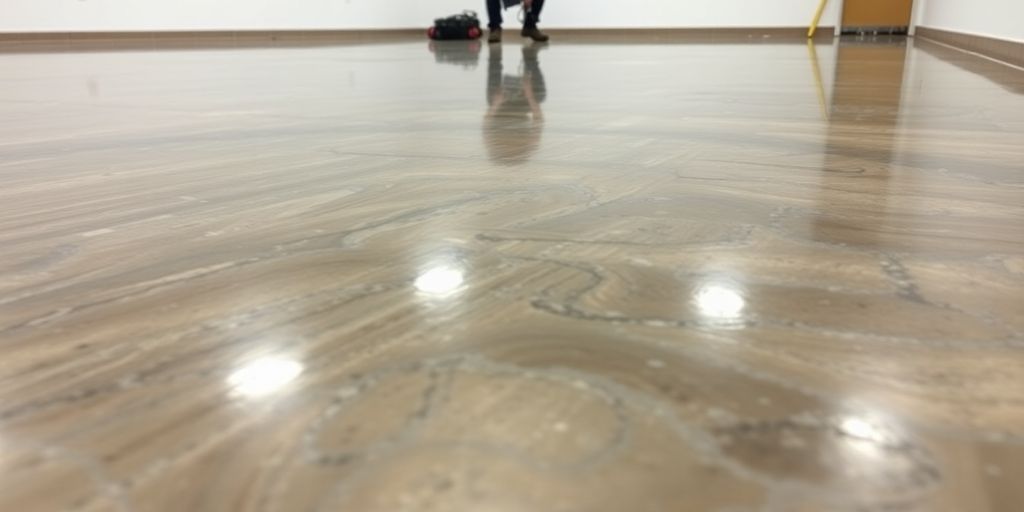
It’s easy to think the job’s done once the epoxy floor is installed, but that’s not the whole story. What happens after the installation is just as important. A good contractor will provide solid post-installation support to make sure your floor stays in great shape for years to come. Think of it as an investment in the longevity of your flooring.
Inquiring About Maintenance Services
Don’t be shy about asking what kind of maintenance services the contractor offers. Do they provide cleaning tips? Can they come back for periodic inspections? Knowing this upfront can save you headaches later. Some contractors even offer maintenance plans, which can be a great way to keep your floor looking its best. For example, you might want to ask about the best cleaning products to use or how to handle spills to prevent staining. It’s all about protecting your investment.
Understanding Warranty Coverage
A solid warranty is your safety net. Make sure you fully understand what the warranty covers and for how long. Does it cover defects in the material? What about issues with the installation itself? What are the steps to take if you need to make a claim? A reputable contractor will be transparent about their warranty and happy to answer all your questions. Here’s a quick look at what a typical warranty might cover:
| Coverage Area | Duration | Notes |
|---|---|---|
| Material Defects | 2-5 years | Covers issues like cracking or peeling due to faulty epoxy. |
| Installation Errors | 1-3 years | Covers problems arising from improper installation techniques. |
| Labor Costs | 1-2 years | Covers the cost of labor for repairs covered under the warranty. |
Establishing Communication Channels
How easy is it to get in touch with the contractor after the job is done? Do they have a dedicated customer service line? Will they respond promptly to your emails or calls? Knowing you can easily reach them if you have questions or concerns is a big deal. Good communication shows they stand behind their work and are committed to your epoxy flooring project.
It’s important to establish clear communication channels with your contractor from the start. This includes knowing who to contact for post-installation support, how quickly you can expect a response, and what methods of communication they prefer. This proactive approach can prevent misunderstandings and ensure any issues are addressed promptly and efficiently.
After you install your epoxy flooring, having support is really important. It helps you keep your floors looking great and working well for a long time. If you have questions or need help, don’t hesitate to reach out! Visit our website for more information and to get your free quote today!
Wrapping It Up
In the end, finding a trustworthy epoxy floor contractor doesn’t have to be a headache. Just remember to do your homework. Look for experience, ask the right questions, and check reviews. A good contractor will guide you through the whole process and keep you informed about what to expect. Don’t rush into a decision; take your time to find someone who knows their stuff. With the right professional, you’ll end up with a beautiful, durable floor that you can enjoy for years to come.
Frequently Asked Questions
What should I look for in an epoxy flooring contractor?
You should check their experience, ask about their licenses, and look at their past work to see if they have a good reputation.
How do I know if a contractor is reliable?
Look for reviews online, ask for references, and make sure they have the right licenses and insurance.
What questions should I ask before hiring a contractor?
Ask about their experience, how long the project will take, and if they offer warranties on their work.
What is the epoxy flooring installation process like?
The process includes preparing the surface, applying the epoxy, and letting it cure. Each step is important for a good finish.
How much does epoxy flooring cost?
Costs can vary, so it’s best to get quotes from different contractors. Consider both the price of materials and the contractor’s fees.
What should I do if I notice problems after installation?
Contact your contractor right away. A good contractor will help you with any issues and provide maintenance support.