Epoxy flooring is getting a lot of attention lately, and not just because it looks sleek and modern. People are asking if it’s eco-friendly. You see, when it comes to making choices that are good for the planet, flooring isn’t usually the first thing that comes to mind. But maybe it should be. Let’s dive into what makes epoxy flooring a potentially green choice and what you should know before making a decision.
Key Takeaways
- Epoxy flooring can be eco-friendly due to low VOC options that improve indoor air quality.
- Many epoxy floors use recyclable materials, reducing landfill waste.
- Energy-efficient installation methods make epoxy a sustainable choice.
- Non-toxic epoxy innovations offer health benefits over traditional types.
- Epoxy’s light-reflective properties can lead to energy savings.
Understanding the Eco-Friendly Aspects of Epoxy Flooring
Low VOC Formulations and Indoor Air Quality
Epoxy flooring can be a friendlier option for the environment, especially when you consider its low VOC formulations. VOCs, or volatile organic compounds, are those nasty chemicals that can sneak into the air and mess with indoor air quality. Low-VOC epoxy flooring means fewer harmful emissions, making it a safer choice for indoor spaces. This is particularly important in places where people spend a lot of time, like offices and schools. By opting for low-VOC options, you’re not only protecting the planet but also the health of everyone who walks on that floor.
Recyclable Materials in Epoxy Flooring
Sustainability doesn’t just stop at how a product is used; it extends to what happens after its life cycle. Many epoxy flooring solutions today are crafted from recyclable materials. This means that when the flooring has served its purpose, it doesn’t just end up as waste. Instead, it can be repurposed or recycled, which cuts down on landfill contributions. It’s a small step towards a circular economy, where materials are continuously reused.
Energy-Efficient Installation Processes
The installation of epoxy flooring is quite energy-efficient. Often, it can be applied directly over existing surfaces, which saves on the energy usually needed for demolition and disposal. This process not only speeds up the installation but also minimizes the energy footprint associated with setting up new floors. Plus, less waste is produced during installation, which is always a win for the environment.
The Environmental Impact of Epoxy Flooring
Reducing Waste with Durable Flooring Solutions
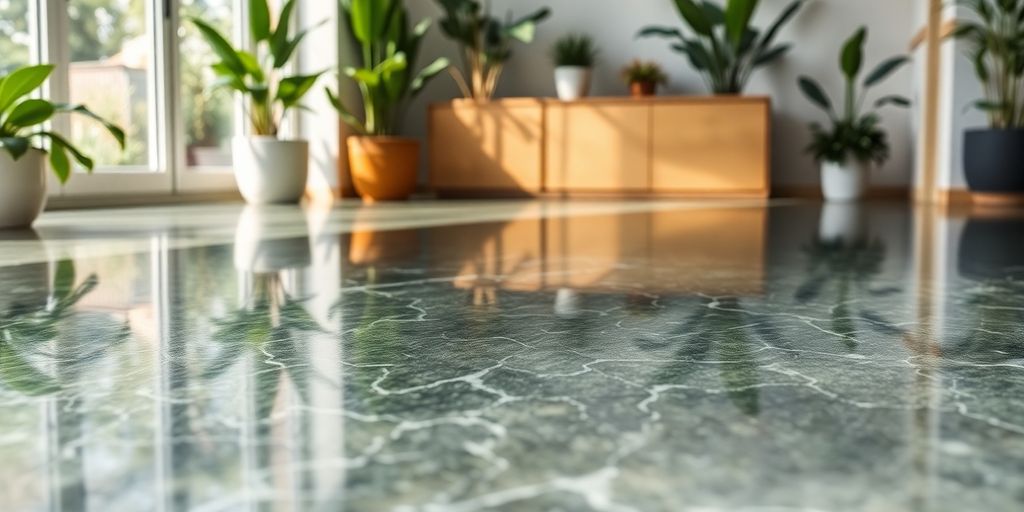
Epoxy flooring is known for its incredible durability, which means it lasts a long time. This longevity translates to less frequent replacements, reducing overall waste. When you don’t have to replace your flooring often, you’re not contributing as much to landfills. Plus, epoxy is resistant to heavy foot traffic and can even withstand the weight of heavy machinery without cracking. This makes it a solid choice for both residential and commercial spaces.
Epoxy Flooring and Landfill Contributions
Traditional flooring materials can end up in landfills, contributing to environmental issues. However, many epoxy flooring options today are made from recyclable materials. When it’s time to replace them, these materials can be repurposed instead of tossed away. This practice supports a circular economy, where materials are reused and recycled, minimizing landfill contributions.
Sustainability in the Lifecycle of Epoxy Flooring
The sustainability of epoxy flooring isn’t just about its long life. It’s also about the entire lifecycle, from production to disposal. Many manufacturers are now focusing on creating epoxy products with low volatile organic compounds (VOCs), which are better for the environment and indoor air quality. Additionally, the installation process is often energy-efficient, as epoxy can be applied over existing surfaces, reducing the need for extensive demolition. This not only saves energy but also cuts down on waste generated during installation.
Innovations in Non-Toxic Epoxy Flooring
Advancements in Non-Toxic Formulations
Epoxy flooring has come a long way from its toxic beginnings. Now, we have non-toxic versions that offer the same durability and versatility. These new formulations eliminate harmful chemicals like VOCs and isocyanates, making them safe for everyone involved in the installation process. This means no more toxic fumes during curing, which is a huge relief for construction workers and future building occupants.
Health Benefits of Non-Toxic Epoxy
Switching to non-toxic epoxy isn’t just good for the environment—it’s great for your health too. Traditional epoxy can off-gas harmful chemicals long after installation, but non-toxic versions don’t have this problem. This makes them a better choice for places like schools, hospitals, and homes where air quality is crucial. Plus, with no harsh chemicals, you don’t have to worry about potential respiratory issues or skin irritation.
Comparing Traditional and Non-Toxic Epoxy
When you line up traditional epoxy against its non-toxic counterpart, the differences are clear. Here’s a quick comparison:
| Feature | Traditional Epoxy | Non-Toxic Epoxy |
|---|---|---|
| VOC Content | High | None |
| Health Risks | Significant | Minimal |
| Installation Disruption | High | Low |
| Environmental Impact | Negative | Positive |
Non-toxic epoxy is not only safer but also aligns with sustainable building practices. So, if you’re considering a flooring option that’s both eco-friendly and safe for your basement or any other area, non-toxic epoxy is the way to go.
Energy Efficiency and Epoxy Flooring
Light Reflectivity and Energy Savings
Epoxy flooring is known for its high light reflectivity. This means that it can significantly reduce the need for artificial lighting in spaces like basements and garages, which are often dimly lit. Choosing a lighter shade of epoxy can enhance this effect, making areas appear brighter without additional lights. This not only lowers energy bills but also contributes to a more sustainable environment by reducing electricity consumption.
Cooling Energy Benefits of Epoxy Flooring
Certain epoxy formulations can help keep indoor spaces cooler. By reflecting more light and heat, they decrease the reliance on air conditioning, especially in commercial settings where cooling costs can be high. This reduction in energy use not only saves money but also cuts down on the carbon footprint of a building.
Reducing Carbon Footprint with Epoxy
Using epoxy flooring can be a strategic choice for those looking to reduce their carbon emissions. The energy savings from reduced lighting and cooling needs add up over time, making it an eco-friendly option. Moreover, the installation process itself is energy-efficient, often requiring less demolition and material wastage, further aligning with sustainable building practices.
Epoxy flooring not only enhances the aesthetic appeal of a space but also offers practical energy-saving benefits. It’s a smart choice for those mindful of both their budget and environmental impact.
Epoxy Flooring in Green Building Design
Compatibility with Sustainable Design Concepts
Epoxy flooring fits well with sustainable design ideas, making it a top choice for eco-friendly construction. Its seamless application means less material waste, which is a big plus for those looking to minimize their environmental footprint. Plus, epoxy can be customized with designs that not only look good but also support green building goals. This makes it a versatile option for architects and builders aiming to create eco-friendly spaces.
Seamless Application for Material Efficiency
The way epoxy is applied is all about efficiency. It goes on in a smooth, continuous layer, which helps reduce waste. This technique not only saves materials but also cuts down on installation time. For projects where sustainability is key, epoxy’s efficient use of resources makes it a smart choice.
Customizable Eco-Friendly Aesthetics
Epoxy flooring isn’t just practical; it’s also stylish. You can choose from a variety of eco-friendly designs, including solid colors and even metallic finishes. This allows homeowners and businesses to pick a look that suits their taste while still being kind to the planet. With options like these, epoxy flooring can meet both aesthetic and environmental needs.
Epoxy flooring is more than just a durable option; it’s a step towards a greener future. By offering both functionality and style, it aligns with the growing trend of sustainable building practices.
Maintenance and Environmental Benefits of Epoxy Flooring
Ease of Cleaning and Reduced Chemical Use
Epoxy flooring is known for its smooth, non-porous surface, making it incredibly easy to clean. This characteristic means you can often skip the harsh cleaning chemicals that other flooring types might require. A simple mop with water or a mild detergent usually does the trick. This not only keeps the floor looking great but also reduces the chemical load on the environment. Plus, since it resists stains and spills, you don’t have to worry about tough marks setting in.
Water Conservation in Maintenance
Maintaining epoxy floors doesn’t just save on chemicals; it also conserves water. Since these floors don’t absorb liquids, less water is needed for cleaning. A quick wipe or mop is often enough to keep them spotless. This is a big win for the environment, as less water usage translates to reduced resource consumption. In commercial settings, where cleaning is frequent, the savings can really add up.
Long-Term Environmental Advantages
Epoxy flooring is built to last, which means less frequent replacements. Unlike other flooring options that might need to be swapped out every few years, epoxy can handle heavy foot traffic and machinery without wearing down. This durability means less material waste over time, as you won’t be tearing out and discarding old floors as often. Additionally, epoxy flooring contributes to eco-friendliness by reducing the need for constant maintenance and replacements, aligning with sustainable practices.
Choosing the Right Eco-Friendly Epoxy Flooring
Factors to Consider for Eco-Friendly Options
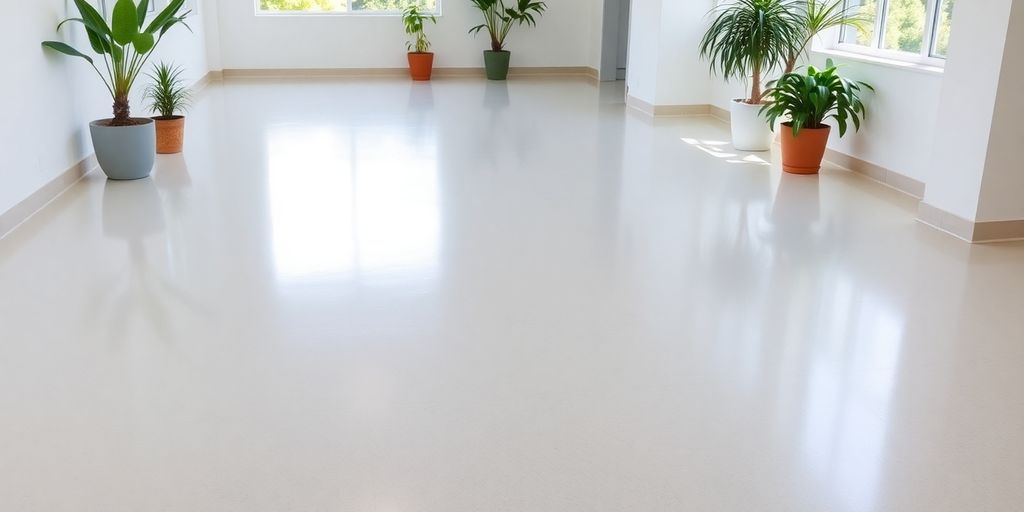
When picking eco-friendly epoxy flooring, consider the environmental impact of the materials and processes used. Look for products with low VOC (Volatile Organic Compounds) to ensure better indoor air quality. Check if the materials are recyclable or made from recycled content. Consider the energy efficiency of the installation process, as some systems can be applied over existing floors, saving both time and resources.
Comparing Eco-Friendly Brands
Not all epoxy flooring brands are created equal. Some prioritize sustainability by using natural resins and recycled materials. It’s wise to compare brands based on their eco-friendly claims and certifications. For instance, some brands offer epoxy flooring that uses recycled glass bottles, enhancing both durability and appearance. Make sure to research and select a brand that aligns with your environmental values.
Installation and Maintenance Best Practices
Proper installation and maintenance can extend the life of your epoxy flooring, making it even more eco-friendly. Choose a certified installer who understands eco-friendly practices. During maintenance, use green cleaning products to minimize environmental impact. Regular upkeep not only maintains the floor’s appearance but also reduces the need for replacements, contributing to sustainability.
Picking the right eco-friendly epoxy flooring isn’t just about aesthetics or durability. It’s about making a conscious choice for the environment, ensuring that every step from selection to maintenance supports a sustainable future. By choosing epoxy flooring, you contribute to a reduction in waste and energy use, making it a smart investment for both your wallet and the planet.
When picking the best eco-friendly epoxy flooring, it’s important to think about your needs and style. Look for options that are not only strong and long-lasting but also kind to the environment. You can find many colors and designs that will make your space look great while being good for the planet. For more information and to see our wide range of eco-friendly flooring options, visit our website today!
Conclusion
So, is epoxy flooring eco-friendly? Well, it can be. With advancements in technology, many epoxy flooring options now come with low VOCs, making them safer for indoor air quality. Plus, some are made from recyclable materials, which is a win for the environment. The installation process is also more energy-efficient than it used to be, often allowing for installation over existing floors, which cuts down on waste. And let’s not forget, these floors are super easy to clean, meaning less need for harsh chemicals. But, like anything, not all epoxy floors are created equal. It’s crucial to do your homework and choose a product that’s truly green. In the end, if you pick the right kind, epoxy flooring can be a solid choice for those looking to be a bit more eco-conscious.
Frequently Asked Questions
What makes epoxy flooring eco-friendly?
Epoxy flooring can be eco-friendly because it often uses low-VOC formulations, which means fewer harmful chemicals are released into the air. Additionally, some epoxy floors are made from recyclable materials, reducing waste.
Can epoxy flooring be recycled?
Yes, many types of epoxy flooring are made from recyclable materials. At the end of their life, these materials can be repurposed or recycled, helping to reduce landfill waste.
Is epoxy flooring safe for indoor air quality?
Epoxy flooring can be safe for indoor air quality when it uses low-VOC formulations. These types of epoxy emit fewer harmful gases, making the indoor environment healthier.
How does epoxy flooring help save energy?
Epoxy flooring can reflect light, which means you might need less artificial lighting. This can save energy and reduce electricity bills, making it an energy-efficient choice.
Are there non-toxic epoxy flooring options?
Yes, innovations in epoxy flooring have led to non-toxic options. These alternatives are safer for both the people installing them and those who use the spaces where they are applied.
What should I consider when choosing eco-friendly epoxy flooring?
When choosing eco-friendly epoxy flooring, consider factors like VOC levels, recyclability, and the overall environmental impact of the product. Comparing different brands and their eco-friendly features can also help you make an informed decision.