Epoxy flooring has transformed significantly since it first emerged in the 1930s. Initially confined to industrial environments, it has now made its way into homes and various commercial spaces. This article will explore the journey of epoxy flooring, highlighting its benefits and the different types available today.
Key Takeaways
- Epoxy flooring originated in the 1930s and was initially used in industrial settings.
- During World War II, it gained popularity for its durability and resistance to heavy use.
- In the 1960s, artists began using epoxy for creative designs, expanding its applications.
- Today, epoxy flooring is valued for its strength, aesthetic options, and easy maintenance.
- The future of epoxy flooring includes trends in sustainability and innovative design.
The Evolution of Epoxy Flooring
Early Industrial Applications
Epoxy flooring really took off because it was tough. Initially, epoxy was the go-to for factories and warehouses. It could handle chemicals, heavy stuff being dropped, and just general wear and tear way better than other options. It wasn’t pretty, but it was practical. Think of it as the workhorse of flooring solutions, quietly doing its job without much fanfare. It was all about function over form back then.
Post-War Expansion
After World War II, things started to change. Epoxy wasn’t just for factories anymore. People realized it was easy to clean and keep up, so it started showing up in commercial spaces like offices and stores. The designs were still pretty basic, but the fact that it could handle lots of foot traffic and still look decent made it a winner. Plus, it was more affordable than some of the other flooring options out there. This expansion marked a significant shift, moving epoxy from purely industrial to something more versatile. The epoxy polymer was a game changer.
Modern Residential Use
These days, epoxy flooring is everywhere, even in homes. You can find it in garages, basements, and even kitchens. The big draw now is that it can look really good. There are tons of colors and styles to pick from, so you can get something that fits your personal taste. Plus, it’s still super durable and easy to clean, which is always a plus. It’s come a long way from its humble beginnings in factories. Now, it’s a stylish and practical choice for anyone looking for a long-lasting flooring solution.
Epoxy flooring’s journey from industrial settings to residential spaces showcases its adaptability and enduring appeal. Its evolution reflects changing needs and aesthetic preferences, solidifying its place as a versatile flooring option.
The Origin of Epoxy Floors
Pioneering Discoveries
So, where did epoxy flooring actually come from? It’s not like people were slapping it on their garage floors back in the Stone Age. The real story starts in the early 20th century. While the idea of terrazzo floors has ancient roots, epoxy is a relatively modern invention. The big breakthrough happened in 1936 when a Swiss chemist named Pierre Castan figured out how to synthesize the first commercial epoxy polymer. He teamed up with Sylvan Greenlee, and together they patented the first epoxy resin. Pretty cool, right?
World War II Innovations
Epoxy really took off during World War II. Suddenly, there was a huge need for materials that could withstand tough conditions. Epoxy floors were used in military installations to protect concrete from heavy machinery and constant foot traffic. It was recognized for its excellent adhesion and resistance to harsh elements. It wasn’t just about durability, though. Epoxy offered a sleek, easy-to-clean surface, which was a big plus in demanding environments. It was a practical solution that quickly gained traction.
Artistic Applications in the 1960s
After the war, epoxy started popping up in unexpected places. Artists in the 1960s began experimenting with epoxy to create unique designs on floors, walls, and other surfaces. It wasn’t just for factories anymore! NASA even used epoxy polymers on the floors of space capsules to provide a non-slip surface for astronauts. Talk about a versatile material! It’s amazing how something initially developed for industrial use found its way into art and even space exploration.
Epoxy flooring has come a long way since its first development. Originally used only in industrial settings, epoxy flooring is now a popular choice for both residential and commercial spaces. Its journey from a niche industrial material to a mainstream flooring option is a testament to its adaptability and performance.
Benefits of Epoxy Flooring
Epoxy flooring has become super popular, and it’s easy to see why. It’s not just about looks; there are some real, practical advantages to choosing epoxy for your floors. Let’s break down the main reasons people are making the switch.
Durability and Strength
One of the biggest selling points of epoxy flooring is its incredible durability. It can handle a lot of wear and tear, which is why you see it in places like garages and factories. It’s tough enough to withstand heavy machinery, dropped tools, and constant foot traffic without cracking or chipping. Think of it as a shield for your concrete floor underneath. Plus, it’s resistant to scratches, so it stays looking good for years.
Chemical Resistance
If you’re dealing with chemicals, epoxy is your friend. It’s resistant to all sorts of substances, from oils and solvents to acids and alkalis. This makes it perfect for garages, workshops, and even some industrial settings where spills are common. You don’t have to worry about stains or damage from accidental spills, which is a huge relief. This waterproof nature is a great benefit.
Aesthetic Versatility
Epoxy isn’t just about function; it can look great too. It comes in a wide range of colors and styles, so you can customize it to fit your space. Whether you want a sleek, modern look or something more colorful and decorative, epoxy can deliver. Some options include metallic finishes, decorative flakes, and even custom designs. It’s a great way to add some personality to your floors.
I’ve seen some amazing epoxy floors that look like works of art. People are getting really creative with colors, patterns, and even embedding objects into the epoxy. It’s a far cry from the plain gray floors you might associate with industrial settings. It’s a great way to make a statement and add value to your property.
Types of Epoxy Flooring
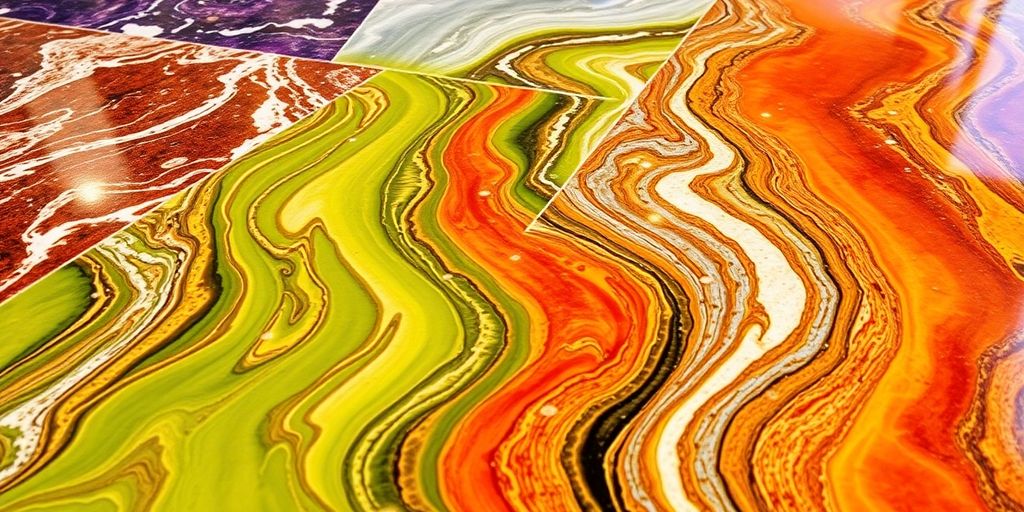
Epoxy flooring isn’t just one thing; there are actually several different kinds, each with its own look and purpose. It’s kinda like choosing paint – you’ve got options!
Solid Color Epoxy
This is your basic, no-frills option. Solid color epoxy is exactly what it sounds like: a single, uniform color across the entire floor. It’s durable, easy to clean, and comes in a huge range of colors. Think of it as the workhorse of epoxy floors – reliable and versatile. It’s often used in garages, warehouses, and even some retail spaces where a clean, simple look is desired. It’s also usually the most cost-effective option.
Metallic Epoxy
If you want something with a bit more pizzazz, metallic epoxy might be the way to go. This type of epoxy has metallic pigments mixed in, creating a shimmering, almost three-dimensional effect. It’s really eye-catching and can make a space feel more luxurious. It’s a bit more expensive than solid color epoxy, but the unique look is worth it for some people. You’ll often see metallic epoxy in showrooms, restaurants, and even residential spaces where people want to make a statement. It’s important to note that the application process is a bit more involved, and the final look can vary depending on the installer’s technique. For example, you can use epoxy resin to create a unique look.
Flake and Quartz Epoxy
Flake epoxy involves embedding decorative flakes into the epoxy coating. These flakes can be different colors, sizes, and materials, allowing for a ton of customization. It’s a great way to add texture and visual interest to a floor, and it can also help to hide imperfections in the underlying concrete. Quartz epoxy, on the other hand, uses small quartz aggregates mixed into the epoxy. This creates a very durable and slip-resistant surface, making it a good choice for areas that see a lot of foot traffic or are prone to spills. Both flake and quartz epoxy are popular in commercial kitchens, locker rooms, and other areas where safety and durability are important. The cost is usually somewhere in between solid color and metallic epoxy, depending on the specific flakes or quartz used.
Choosing the right type of epoxy flooring really depends on your specific needs and preferences. Think about the look you’re going for, the level of durability you need, and your budget. Talk to a professional installer to get their advice and see samples of different types of epoxy flooring before making a decision.
Manufacturing Process of Epoxy Flooring
Components of Epoxy
Okay, so what exactly is epoxy? Well, it’s not just one thing. It’s more like a system. You’ve got your epoxy resin, which is the main component, and then you’ve got a hardener (also called a catalyst). When these two mix, a chemical reaction happens, and that’s what makes the epoxy cure and get super strong. There are also additives that can be included to give the epoxy special properties, like color, UV resistance, or even flexibility. Think of it like baking a cake – you need more than just flour to make it good!
Installation Techniques
Installing epoxy flooring isn’t as simple as slapping down some paint. There’s a process. First, you gotta prep the floor. This means cleaning it really well, patching any cracks or holes, and sometimes even grinding it to make sure the epoxy sticks properly. Then, you mix the epoxy resin and hardener according to the manufacturer’s instructions. After that, you spread it evenly over the floor using a squeegee or trowel. Some people add decorative flakes or metallic pigments at this stage. Finally, you let it cure. Here’s a quick rundown:
- Surface Preparation: Clean, repair, and grind the existing floor.
- Mixing: Accurately combine the epoxy resin and hardener.
- Application: Evenly spread the mixture across the floor.
Curing Process
The curing process is where the magic happens. After the epoxy is applied, it needs time to harden. This can take anywhere from 24 hours to several days, depending on the type of epoxy and the temperature. During curing, the epoxy polymers form a strong, cross-linked network, which is what gives epoxy its durability and resistance. It’s important not to walk on the floor while it’s curing, or you could mess it up. Think of it like waiting for nail polish to dry – patience is key!
The curing time is affected by temperature and humidity. Warmer temperatures usually speed up the process, while high humidity can slow it down. It’s important to follow the manufacturer’s recommendations for curing times to ensure the epoxy reaches its full strength and durability.
Cost Considerations for Epoxy Flooring
Factors Influencing Cost
Okay, so you’re thinking about getting epoxy flooring. Great choice! But let’s talk money. The price of epoxy isn’t just one flat number; it’s more like a puzzle with a bunch of pieces. First off, the type of epoxy you pick matters a lot. A basic solid color epoxy is going to be way cheaper than something fancy like metallic or flake epoxy. Then there’s the size of the area. Obviously, a huge warehouse will cost more to cover than your average garage. The condition of your existing floor is another big one. If it’s cracked or uneven, you’ll need to pay extra for prep work. And don’t forget about labor costs! Hiring experienced installers will cost more upfront, but it’s worth it to avoid problems down the road.
Comparative Cost Analysis
Let’s break down how epoxy stacks up against other flooring options. Compared to materials like hardwood or tile, epoxy can often be more budget-friendly, especially when you factor in installation costs. But it’s not always the cheapest option out there. For example, basic concrete staining might be less expensive initially, but it won’t offer the same level of durability or resistance. Carpet is another cheaper alternative, but it’s not nearly as easy to clean or maintain as epoxy. Here’s a quick look at how epoxy compares:
| Flooring Type | Estimated Cost per Square Foot (Installed) |
|---|---|
| Epoxy | $3 – $12 |
| Hardwood | $8 – $25 |
| Tile | $5 – $20 |
| Carpet | $3 – $8 |
| Concrete Staining | $2 – $6 |
Keep in mind these are just estimates, and prices can vary depending on your location and specific project requirements.
Long-Term Value
Don’t just think about the initial price tag. Epoxy flooring can actually save you money in the long run. Because it’s so durable and easy to maintain, you won’t have to replace it as often as other types of flooring. Plus, its resistance to chemicals and stains means you’ll spend less on cleaning products and repairs. And let’s not forget about the added value it can bring to your property. A professionally installed epoxy floor can make your garage, basement, or commercial space look more appealing and functional, which can be a big selling point if you ever decide to move or lease the space.
Think of epoxy flooring as an investment, not just an expense. While the upfront cost might be a bit higher than some alternatives, the long-term benefits in terms of durability, maintenance, and value can make it a smart choice for many homeowners and business owners.
Future Trends in Epoxy Flooring
Sustainability Innovations
Epoxy flooring isn’t just about looks and toughness anymore; it’s also about being kind to the planet. We’re seeing a big push toward eco-friendly options. Manufacturers are developing epoxy resins using bio-based materials and reducing VOC emissions. Expect to see more floors made from recycled content, too. It’s all about making choices that are good for your space and the environment.
- Use of bio-based resins.
- Reduction of VOC emissions.
- Incorporation of recycled materials.
Technological Advancements
Technology is changing everything, and epoxy flooring is no exception. Self-leveling compounds are becoming more advanced, making installations smoother and faster. We’re also seeing the rise of smart floors with embedded sensors for monitoring temperature, pressure, and even movement. Imagine floors that can detect leaks or alert you to potential safety hazards. That’s where things are headed.
Design Trends
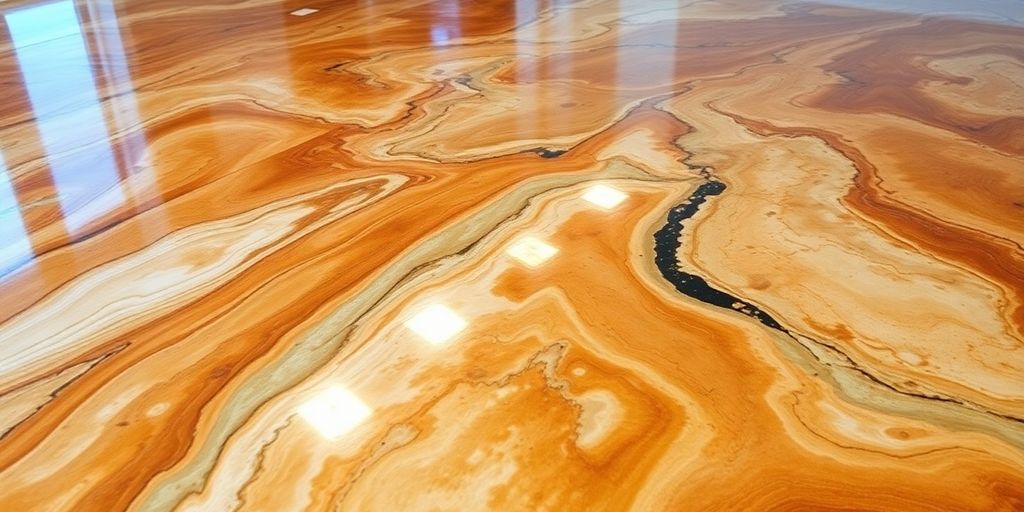
Epoxy flooring is becoming a canvas for creativity. Forget plain gray floors; people want something unique. 3D epoxy designs are gaining popularity, allowing for stunning visual effects. Metallic epoxy finishes add a touch of luxury, and custom color blends let you create a floor that perfectly matches your style. The possibilities are endless.
The future of epoxy flooring is bright, with innovations in sustainability, technology, and design pushing the boundaries of what’s possible. It’s an exciting time to be involved in this industry, and I can’t wait to see what the next few years bring.
As we look ahead, epoxy flooring is set to evolve with exciting new trends. Innovations in colors, textures, and eco-friendly materials are making this flooring option even more appealing. Homeowners and businesses alike are discovering how customizable and durable epoxy can be. If you’re curious about how these trends can enhance your space, visit our website for more information and to get a free quote today!
Wrapping Up the Journey of Epoxy Flooring
So there you have it. Epoxy flooring has really transformed over the decades. From its humble beginnings in the 1930s, mainly in factories, to becoming a go-to choice for homes and businesses today, it’s been quite a ride. People love it for its toughness and easy upkeep, and it just looks good too. Whether you’re in a garage, a kitchen, or a retail space, epoxy flooring fits right in. As we move forward, it’ll be interesting to see how this versatile material continues to evolve and adapt to new trends and needs.
Frequently Asked Questions
What is epoxy flooring?
Epoxy flooring is a type of floor covering made by mixing a resin and a hardener. When these two components are combined and applied to a surface, they create a strong, waterproof, and chemical-resistant layer.
When was epoxy flooring first invented?
Epoxy flooring was first developed in the 1930s by a Swiss chemist named Pierre Castan. He created a strong plastic by mixing bisphenol A and epichlorohydrin.
Why is epoxy flooring so popular?
Epoxy flooring is popular because it is very durable and can withstand heavy use. It is also easy to clean and comes in many colors and designs, making it suitable for homes and businesses.
What are the different types of epoxy flooring?
There are several types of epoxy flooring, including solid color epoxy, metallic epoxy, and flake or quartz epoxy. Each type has its own unique look and benefits.
How is epoxy flooring installed?
To install epoxy flooring, the surface must first be cleaned and prepared. Then, the mixed epoxy is applied and allowed to cure, which hardens it into a tough surface.
Is epoxy flooring expensive?
The cost of epoxy flooring can vary based on the type and size of the area. However, it is generally considered affordable compared to other flooring options, especially considering its long-lasting nature.