Epoxy flooring might seem like a modern invention, but it actually has roots that go back over a hundred years. It all started with some clever chemists in Russia, who were experimenting with epoxy compounds in the early 1900s. They were mainly using it in marine and industrial fields. Fast forward a bit, and Dr. Pierre Castam from Switzerland developed the first commercial epoxy polymer in the 1930s, setting the stage for epoxy flooring as we know it today. During World War II, it found its way into military installations, providing a tough surface for concrete floors. After the war, epoxy flooring began to spread into commercial spaces, homes, and even the aerospace industry. Today, epoxy flooring is popular for its durability, resistance, and aesthetic options, making it a go-to choice for many.
Key Takeaways
- Epoxy flooring has been around for over a century, starting with Russian chemists in the early 1900s.
- Dr. Pierre Castam’s work in the 1930s was crucial in developing commercial epoxy, leading to its use in flooring.
- World War II saw epoxy being used in military settings for its durability and resistance.
- Post-war, epoxy flooring expanded into homes and industries, including aerospace and art.
- Today, epoxy flooring is valued for its strength, resistance, and design versatility.
Early Developments in Epoxy Flooring
Russian Chemists and Initial Uses
Back in the early 20th century, Russian chemists were already tinkering with epoxy compounds. They weren’t making floors just yet; they mainly used epoxy as a primer. This was to help paint stick better on ships and industrial equipment. It was all about getting that paint to hold up against the elements and wear, especially in harsh marine environments.
Dr. Pierre Castam’s Contributions
Fast forward to 1936, and we meet Dr. Pierre Castam from Switzerland. He was a real game-changer. Dr. Castam, along with Dr. S.O. Greenlee, developed the first commercial epoxy resin. This was a big deal because it led to epoxy being recognized for its strong adhesion, resistance to tough conditions, and its nice clean look. Their work laid the groundwork for epoxy to become a major player in flooring.
World War II Applications
During World War II, epoxy flooring found its way into military bases. The military needed something tough to protect concrete surfaces from all the heavy machinery and constant foot traffic. Epoxy did the job perfectly. This period was crucial because it showed just how durable and versatile epoxy could be. It wasn’t just about protection; it also offered a non-slip surface, which was a bonus in busy environments.
Epoxy flooring didn’t start out in homes or even in commercial buildings. It was born out of necessity, crafted by chemists and molded by the demands of war. This early history set the stage for its evolution into the versatile flooring solution we see today.
Commercialization and Expansion
Post-War Industrial Growth
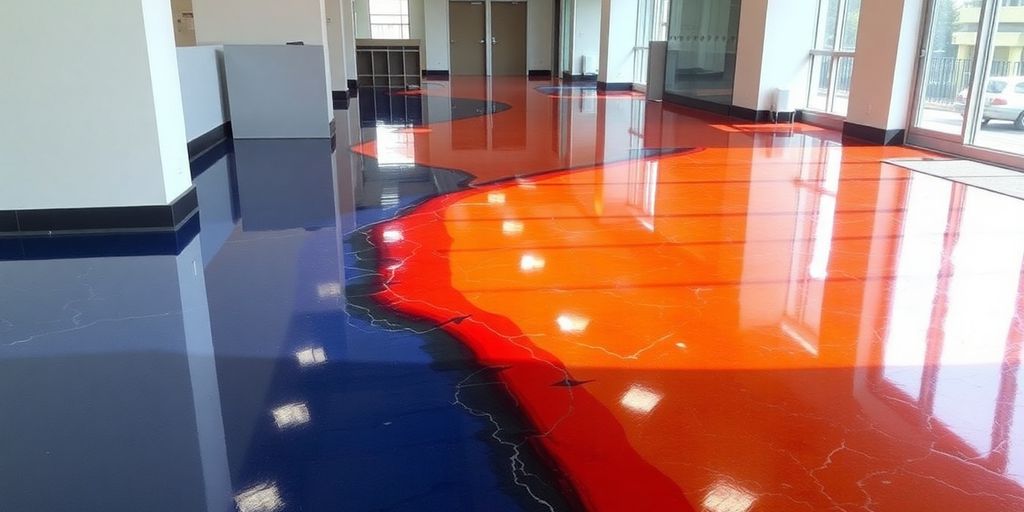
After World War II, the world saw a massive industrial boom. Epoxy flooring, which had been primarily used in military applications, began to find its way into civilian industries. Factories and warehouses were the first to adopt epoxy flooring due to its durability and chemical resistance. This period marked the beginning of epoxy’s journey from a niche product to a staple in industrial flooring.
Introduction to Residential Spaces
In the decades following the war, epoxy flooring slowly made its way into residential homes. Initially, homeowners were hesitant, preferring traditional materials like wood or tile. However, as people started to recognize its benefits—like easy maintenance and longevity—epoxy became more popular in garages and basements. Home improvement shows and DIY enthusiasts further pushed epoxy into the spotlight, showcasing its versatility and aesthetic appeal.
Epoxy in Aerospace and Art
Epoxy’s versatility didn’t stop at floors. The aerospace industry was one of the first to explore its potential beyond flooring. Epoxy resins were used in aircraft construction due to their lightweight and strong bonding properties. Meanwhile, artists began experimenting with epoxy as a medium for sculptures and paintings, attracted by its glossy finish and ability to preserve materials. These diverse applications highlighted epoxy’s adaptability and opened new markets for its use.
Epoxy flooring’s journey from industrial floors to art studios exemplifies how a single product can evolve and adapt across different sectors, driven by innovation and changing consumer needs.
For more insights into the capital and ongoing operating costs of an Epoxy Resins plant, check out the detailed report that analyzes these aspects comprehensively.
Technological Advancements in Epoxy Flooring
Chemical Innovations
Epoxy flooring has come a long way since its inception, thanks to numerous chemical innovations. One of the significant breakthroughs was the development of epoxy polymers that improved the material’s adhesion and durability. These advances have made epoxy flooring a go-to choice for environments that demand high resistance to wear and tear. Over the years, manufacturers have introduced various additives and pigments, enhancing the aesthetic appeal and functionality of epoxy floors.
Development of Epoxy Types
The evolution of epoxy flooring has led to the creation of different types to suit various applications. From solvent-based to water-based and 100% solid epoxy resin, each type offers unique benefits. Solvent-based epoxies are known for their strong bonding capabilities, while water-based options provide a more environmentally friendly solution. The 100% solid epoxy resin is celebrated for its robustness and long-lasting finish, making it ideal for industrial and commercial settings.
Impact of Polyurea and Polyaspartic Coatings
In recent years, technological advancements have expanded the possibilities for epoxy flooring, particularly with the introduction of polyurea and polyaspartic coatings. These coatings offer fast curing times and superior UV stability, making them suitable for both indoor and outdoor applications. Polyurea coatings are especially valued for their waterproof properties and excellent abrasion resistance, while polyaspartic coatings are favored for their quick application and curing, ideal for time-sensitive projects. Together, these innovations continue to push the boundaries of what epoxy flooring can achieve, offering solutions that meet the demands of modern construction and design.
Benefits of Epoxy Flooring
Durability and Longevity
Epoxy flooring is renowned for its incredible durability and long-lasting nature. These floors are built to withstand heavy foot traffic, machinery, and even the odd dropped tool without showing signs of wear. Imagine a floor that holds up to 20 years of use in a busy garage or workshop without needing replacement. That’s what epoxy flooring offers. It’s like a protective shield for your concrete, preventing chipping, cracking, and other damage. With epoxy, you don’t have to worry about frequent repairs or replacements.
Chemical and Water Resistance
One of the standout features of epoxy flooring is its resistance to chemicals and water. Whether it’s a garage prone to oil spills or a bathroom where water is a constant factor, epoxy handles it all. The non-porous nature of the surface means spills sit on top and can be easily wiped away, making it a great choice for environments like locker rooms, schools, and bathrooms where cleanliness is crucial. Say goodbye to stains and water damage!
Aesthetic Versatility
Epoxy flooring isn’t just about function; it’s also about style. With a wide array of colors and finishes available, you can customize the look to fit any space. Whether you want a sleek, modern appearance or something more textured and unique, epoxy can deliver. From metallic sheens to quartz-filled textures, the possibilities are endless. This versatility makes it a popular choice not just in industrial settings, but also in homes looking for a polished, contemporary look.
Epoxy floors blend practicality with style, offering a resilient surface that doesn’t compromise on aesthetics. They are the perfect solution for those who need a robust floor that also looks good.
Modern Applications of Epoxy Flooring
Residential Uses
Epoxy flooring has made its way from industrial settings into our homes, offering a sleek and modern look that’s hard to beat. Homeowners love epoxy for its durability and easy maintenance. It’s especially popular in garages, basements, and kitchens where spills and heavy foot traffic are common. The seamless surface means no more worrying about dirt or grime getting stuck in the cracks. Plus, with a variety of colors and finishes, from metallic sheens to textured flakes, it can match any home style.
Commercial and Industrial Settings
In commercial spaces, epoxy flooring is a go-to for its robustness and aesthetic appeal. Retail stores, restaurants, and offices appreciate its clean look and the fact that it can withstand a lot of wear and tear. In industrial environments, such as factories and warehouses, epoxy is favored for its resistance to chemicals and heavy machinery. It’s a flooring solution that not only looks good but also stands up to the demands of busy workspaces.
Innovative Design Trends
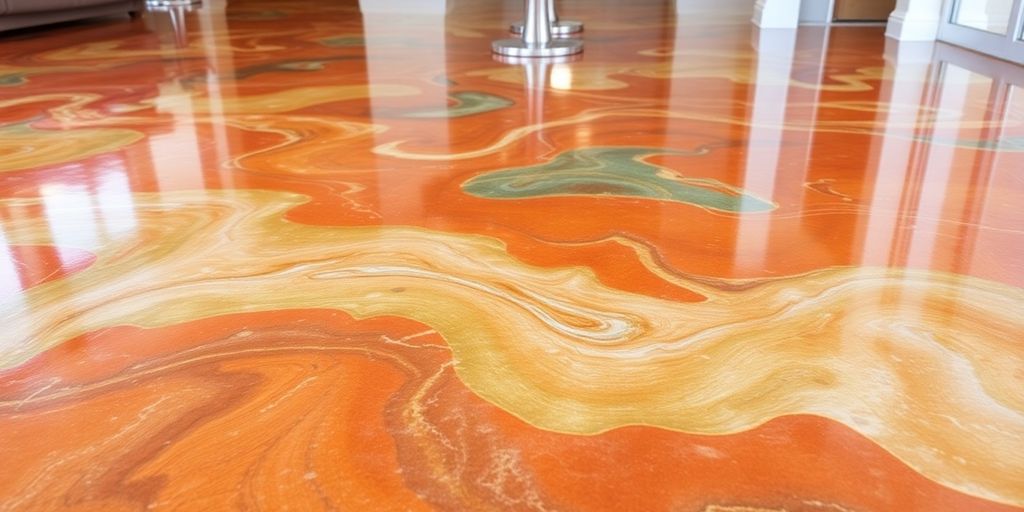
Designers are getting creative with epoxy, using it to craft unique and eye-catching floors. From incorporating artistic designs to using different color flakes for a custom look, the possibilities are endless. Epoxy’s ability to mimic materials like marble or granite at a fraction of the cost makes it an attractive option for those wanting luxury without the price tag. Whether it’s a bold statement floor or a subtle, elegant finish, epoxy can do it all.
Epoxy flooring is not just a practical choice; it’s a canvas for creativity, offering endless possibilities for personal expression in both residential and commercial spaces.
For those interested in epoxy resin flooring, its growing popularity in both homes and businesses showcases its versatility and modern appeal.
The Future of Epoxy Flooring
Sustainability and Environmental Impact
Epoxy flooring’s future is leaning heavily into sustainability. More eco-friendly materials are being developed to reduce the environmental footprint of epoxy production. Manufacturers are exploring bio-based resins and low-VOC (volatile organic compounds) alternatives. This shift not only caters to environmentally conscious consumers but also aligns with global regulations pushing for greener construction practices. As these innovations progress, the industry will likely see a significant reduction in harmful emissions and waste.
Emerging Technologies
The flooring world is buzzing with new technologies that are set to transform epoxy applications. In 2025, epoxy flooring trends will focus on sustainable materials, customizable designs, and innovative features such as 3D epoxy flooring, enhanced slip resistance, and fast curing systems. These advancements aim to improve the user experience by offering faster installation times and increased safety features. Imagine walking on a floor that not only looks stunning but also provides superior grip, reducing slip hazards in both homes and industrial settings.
Market Trends and Predictions
Looking ahead, the epoxy flooring market is expected to grow, driven by demand in both residential and commercial sectors. As more people discover the benefits of epoxy flooring, including its durability and aesthetic appeal, its popularity is set to soar. The market is also likely to see an increase in custom designs, as consumers seek unique flooring solutions that reflect their personal style. With these trends, the epoxy flooring industry is poised for exciting growth and innovation.
Conclusion
Epoxy flooring has come a long way since its early days in the 1930s. From its initial use in industrial settings to its current popularity in homes and businesses, epoxy has proven to be a versatile and durable choice. Its ability to withstand heavy use, resist chemicals, and provide a sleek finish has made it a favorite for many. Whether you’re looking to upgrade your garage or add a modern touch to your living space, epoxy flooring offers a reliable and stylish solution. As we look to the future, it’s clear that epoxy will continue to play a significant role in flooring innovations, adapting to new needs and preferences.
Frequently Asked Questions
What exactly is epoxy flooring?
Epoxy flooring is a type of floor surface made by mixing a resin and a hardener. When these two components are combined, they form a strong, durable, and resistant surface that’s often used in both homes and businesses.
How long does epoxy flooring last?
Epoxy floors are known for their durability and can last up to 20 years with proper care and maintenance. They are resistant to wear and tear, making them a long-lasting flooring choice.
Can epoxy flooring be used in homes?
Yes, epoxy flooring can be used in homes. It’s a popular choice for garages, basements, and even living spaces because of its durability, easy maintenance, and variety of design options.
What are the benefits of epoxy flooring?
Epoxy flooring is durable, water-resistant, and easy to clean. It also offers a variety of design options and is resistant to chemicals, making it ideal for areas like garages and workshops.
Is epoxy flooring easy to maintain?
Yes, epoxy flooring is easy to maintain. Its smooth surface makes it simple to clean, and it doesn’t require frequent upkeep like some other flooring types.
Where did epoxy flooring originate?
Epoxy flooring has its roots in the early 20th century, with significant developments in the 1930s by chemists in Switzerland and Russia. It was initially used in industrial settings but has since expanded into residential and commercial spaces.